Tracking the information about your manuscript
Communicate with the editorial office
Query manuscript payment status Editor LoginCollecting, editing, reviewing and other affairs offices
Managing manuscripts
Managing author information and external review Expert Information Reviewer LoginOnline Review
Online Communication with the Editorial Department
Downloads
1) Manuscript Writing and Formatting Requirements
2) Description of Research Objects and Their Characteristics
3) How to Write the Title
4) How to Write the Abstract
5) How to Write the Introduction
6) How to Write the Conclusion
7) Footnote Format
8) Reference Citation Rules
9) Copyright Agreement, Author Contribution & Conflict of Interest Statement
10) How to Correct Proofs
11) Proofreading Marks and Their Usage
12) Guidelines for Identifying and Handling Academic Misconduct
Page Views
Page visits today: 16
Prospects for Intelligent and Green Construction in the Southern Tibetan Plateau Hydropower Projects
LI Shi-dong;ZHOU Jian-ping;Power Construction Corporation of China;During the "15th Five-Year Plan" period, the river basins in southeastern Tibet have been clearly identified as a core strategic area for hydropower development in China. Given the fragility and sensitivity of the ecosystem in this region, as well as the strong rigid constraints of the ecological protection red line, the construction of hydropower projects must promote the coordinated advancement of development and protection. The in-depth integration of green construction and intelligent construction has become a key path to achieve this goal. To this end, first of all, it is necessary to systematically sort out the development status and special requirements of intelligent construction technologies for hydropower projects. Furthermore, an in-depth analysis should be conducted on the core connotation, technical logic, and practical necessity of upgrading intelligent construction to green construction. Emphasis should be focused on the key technologies of pure clean energy power systems supporting the green construction of hydropower projects in southeastern Tibet. Finally, optimal strategies and implementation paths for green construction that conform to the ecological characteristics of the southeastern Tibet plateau have been proposed. The research results can provide theoretical support and practical reference for the sustainable development of hydropower projects in this region under ecological constraints, and help achieve the win-win goal of hydropower development and ecological protection.
Research on Architecture of Smart Water Conservancy Engineering Construction Platform Based on Multi-Information Chain Fusion
WANG Tie-li;XIAO Qiang;MIAO Shu-jie;CAO Chun-quan;ZHOU Ming-ming;LIU Yong-tao;Due to the multi-dimensional information chain involved in the digital construction management platform of water conservancy projects, the systematic integration of multiple information chains is the key to enhancing the intelligence of the management platform. The BIM models were used to integrate multi-dimensional information in construction. Seven management contents were integrated through the application of IoT and other technologies. AI and deep learning technologies were used to intelligently analyze image and video information, thereby realizing the recognition and warning of construction risks. The interaction cores of engineering and human were constructed for the project construction site through the smart construction site APP, and a multi-party mobile collaboration platform with the goal of overall planning of the construction site was built. The application results of engineering examples show that that the management platform can integrate multiple information chains such as personnel, equipment, materials, ecological environment protection, quality, safety, progress, and funds, realizing the perception and feedback control of multi-source information of the construction subject. Thus, it provides a demonstration for the intelligent application of water conservancy construction.
Influence of Over-Wintering Construction Surface on Thermal Stress of RCC Gravity Dam of Hunyuan Lower Reservoir in Cold Regions and Temperature Control and Crack Prevention Measures
GUO Dong-juan;ZHOU Yi-yang;JING Shu-zhen;WU Chao-yue;YANG Wei;HE Yun-long;PowerChina Beijing Engineering Corporation Limited;This study investigates the influence of the over-wintering construction surface formed by winter shutdowns on the temperature field and thermal stress field of roller-compacted concrete(RCC) gravity dams in cold regions. Based on the Hunyuan Lower Reservoir RCC gravity dam project, a three-dimensional finite element model of a typical dam section was established to simulate the layered construction process and long-term operational conditions. A full-process simulation was conducted to analyze the spatiotemporal distribution characteristics of the dam's temperature field and thermal stress field under the condition of the over-wintering construction surface. The results show that the over-wintering construction surface is a critical weak point for temperature control and crack prevention of RCC dams in cold regions. The presence of the over-wintering construction surface significantly altered the temperature control conditions of the dam, leading to two key high-stress risk zones. Firstly, the 1-2 newly poured concrete layers directly above the over-wintering construction surface exhibited significantly exceeded temperature stresses, posing a high risk of cracking. Secondly, the cushion concrete poured during the high-temperature season due to adjusted construction schedules also experienced a substantial increase of internal stress. Based on this analysis, stratified and time-phased differentiated temperature control measures were proposed for the over-wintering construction surface area of the project, which can provide a reference for the design and construction of similar RCC dams in severely cold regions.
Application Research of Construction Schedule Collaborative Management of Pumped Storage Power Station Based on BIM+GIS
YANG Dong-bo;The construction of pumped storage power station involves many complicated processes such as civil construction, installation of mechanical and electrical equipment and resource scheduling, which make the traditional construction schedule management method difficult to cope with. In order to improve the intelligent level of construction schedule management and solve the shortcomings of traditional methods, this study proposed a construction schedule collaborative management system based on building information model(BIM) and geographic information system(GIS), and genetic algorithm was used to optimize construction scheduling. Through experimental verification, IGA can significantly optimize the construction schedule, reduce the construction period by 10.5%-12.4%, improve the convergence speed, and reduce the calculation time by 15%-20%. The construction progress visualization system can accurately reflect the construction progress in different construction stages, and the progress deviation is controlled within the range of 1.9% to 10.1%, and the BIM and GIS data synchronization error can be at least 1.2 seconds. The research shows that BIM+GIS collaborative management system combined with optimized scheduling algorithm and visualization technology can effectively improve the intelligent level of construction schedule management, which provides technical support for efficient construction of large-scale projects.
Shaking Table Tests on Seismic Performance of Mortise and Tenon Prefabricated Box Culvert Structures
XU Peng-fei;LU Jun-yu;GUO Rui;HE Jun-ze;LIN Yuan-zheng;WANG Yan-hua;This study aims to evaluate the seismic performance of mortise and tenon prefabricated box culvert structures through shaking table tests. A 1/2 scale mortise and tenon assembly box culvert model was built and a shaking table test was carried out. Through the analysis of the dynamic response of the model foundation and model structure, structural strain and interlayer displacement response, the structural performance of the mortise and tenon assembly box culvert was deeply discussed. The test results show that the acceleration amplification factors at the same burial depth of the model foundation under different ground motions exhibit significant discreteness. In the structural form with mortise-and-tenon connections, the upper and lower cover plates show strong connection integrity under small input peak accelerations; The acceleration amplification factor of the structure at the same measuring point decreases first and then increases with the input peak acceleration; The maximum inter-layer displacement reaches 9.96 mm. The armpit corner is the weak part of the structure, with the maximum strain reaching 46.88 με, and the strain amplitude is approximately 4 times that at the lower plate joint and 1.5 times that at the upper plate joint. The research results can provide a reference and theoretical basis for the seismic performance design of water transmission box culvert structures.
Monthly Runoff Prediction Based on STL-WPT-MSOA/MFFO-OSELM Combined Model
ZHOU Zheng-dao;CUI Dong-wen;Yunnan Wenshan Zhuang and Miao Autonomous Prefecture Water Resources Bureau;Due to the nonstationarity and complexity of hydrological series, the prediction accuracy of traditional single model is limited. To improve the accuracy of monthly runoff prediction, the STL-WPT-MSOA/MFFO-OSELM model is proposed and validated through monthly runoff prediction examples at the Nankang River and Mengda hydrological stations in Yunnan Province. Firstly, STL is used to decompose the original monthly runoff sequence into trend component, seasonal component, and residual component. WPT is used to decompose the residual component into one high-frequency component and one low-frequency component, and the training set and validation set of each component are divided. Based on the training set, the objective function of the OSELM hyperparameter optimization instance is constructed. Then, based on various strategies such as Tent chaotic mapping, the Bobcat Optimization Algorithm(SOA) and the Ear Fox Optimization(FFO) algorithm were improved, and a multi-strategy MSOA/MFFO was proposed. The objective function of the MSOA/MFFO optimization instance was used to obtain the optimal hyperparameters of OSELM. Finally, the STL-WPT-MSOA/MFFO-OSELM model was established using the optimal hyperparameters to predict and reconstruct each component, and 12 models were constructed for comparative analysis. The results show that the STL-WPT-MSA/MFFO-OSELM fusion model had the best prediction performance and could more accurately capture the changing characteristics and patterns of the original monthly runoff; Multiple strategy improvement methods can effectively enhance the performance of MSOA/MFFO and obtain better OSELM hyperparameters; The STL-WPT secondary decomposition technique can effectively eliminate the nonstationary characteristics of monthly runoff and improve the decomposition effect of monthly runoff sequences. The research methods and results provide reference for hydrological time series prediction.
Simulation and Analysis of Regulation Capacity of Plain Tidal River Networks at Jiabao North Area in Shanghai
WANG Jie;WEI Hao;ZENG Xian-min;CHEN Kai;CHEN Gang;WANG Chuan-hai;In plain tidal river network areas characterized by dense water systems, comprehensive analysis of regional flood storage capacity is essential for regional flood control and drainage planning. Taking the northern part of Jiabao in Shanghai as the research area, based on the Taihu Lake Basin model software, considering the regulation and storage effect of water surface lacking topographic data, GIS technology was used to establish and calibrate a refined hydrological and hydrodynamic model of the river network. A comprehensive simulation of the regional river network storage capacity was conducted. The influences of natural factors including heavy rainfall, storm surge backwater, upstream inflow and artificial regulation of flood control in the polder area on the flood storage capacity of the plain tidal river network were quantitatively analyzed. The results indicate that this method can effectively simulate the water surface regulation and storage effects in the absence of topographic data which can provide support for the simulation and analysis of the flood control and storage capacity of the plain tidal river network.
Research on Parameter Calibration of Hydrological Model Based on Fuzzy Similarity Evaluation of Rainfall
ZENG Zhi-qiang;ZHOU Li-ting;XIE Shuai;CAO Hui;ZHANG Hai-rong;Selecting historical rainfall-runoff events with characteristics similar to the forecasted rainfall event for parameter calibration is helpful to improve prediction accuracy of hydrological model. However, this empirical understanding still lacks systematic quantitative validation. This study proposes a sample selection method based on fuzzy similarity analysis. Event similarity is quantified using four indicators of maximum rainfall, total rainfall, peak duration, and sequence length, with weights assigned via the entropy weight method. A similarity evaluation system is established and applied to guide the selection of calibration samples for hydrological models. Case studies show that when the total similarity is below 70, the Nash-Sutcliffe efficiency coefficient is generally above 0.85; When the similarity exceeds 100, Nash-Sutcliffe efficiency coefficient drops below 0.75, and for extreme events, it falls to as low as 0.10, indicating near model failure. This study established threshold relationships between similarity and model accuracy, confirming the importance of similarity-based sample selection and validating the effectiveness of empirical principles in hydrological model parameter calibration.
Research on Urban Flooding Simulation in the Ningnan District of Nanjing Based on the STFS-Urban Model
Ll Tai-gang;ZHU Ying;GAO Yi-xuan;LIANG Yi-yin;LU Hai-peng;ZHANG Shu-liang;In order to explore the spatiotemporal evolution of urban waterlogging and accurately evaluate the applicability and accuracy of the STFS-Urban model in complex geographical environments, based on the Ningnan District of Nanjing with impervious surface expansion, dense urban road networks and additional drainage pipe network systems in the process of urbanization, the STFS-Urban model with coupled hydrological and hydrodynamic mechanisms was used to select three measured rainfall data, and the dynamic exchange of water volume between the "surface-pipeline network" was realized through bidirectional synchronous coupling. The numerical simulation method was used to analyze the waterlogging process. The genetic algorithm was adopted to optimize the hydrological parameters of the model. The STFS-Urban model was calibrated and verified, and its highest Nash coefficient was 0.89, which verified the accuracy of the model's parameters. Two measured rainfalls were selected to apply the STFS-Urban model to further verify its applicability. Short-duration design rainfall scenarios with different return periods were selected for waterlogging simulation analysis. The results show that the waterlogging area was concentrated to the east of the inner ring east line of the city, and the area with a flooding depth of H>1 m was mainly on the road in the center of the study area. The research results can provide decision-making references for urban rain and flood management.
Research on Two-dimensional Spatiotemporal Prediction of Urban Floods Based on CNN-LSTM Model
FENG Tian-yu;CHU Xiang-yu;ZHAO Xin;WANG Hui-yan;HAN Guan-yu;WANG Hao-zheng;Urban flood prediction is of great importance for mitigating flood disaster losses. To this end, a deep learning model integrating Convolutional Neural Network(CNN) and Long Short-Term Memory Network(LSTM) is proposed. Based on the self-developed Simuwater model, a two-dimensional urban flood mechanism model is constructed. Training samples are generated through various rainfall scenarios, and the CNN-LSTM model is trained using the selected spatiotemporal feature factors. Moreover, the accuracy and efficiency of the model are evaluated by taking the drainage system of a city in northern China as an example. The results show that for the waterlogging depth prediction at different times, the Root Mean Square Error(RRMSE) of the CNN-LSTM model is less than 0.04 m, the overall R2 is higher than 0.9, the relative error of the maximum waterlogging depth is less than 0.06 m, the peak time error is within ±30 min, and the prediction time for a single rainfall event is only 274 ms. Additionally, it can quickly and accurately predict the occurrence and development trend of urban floods, providing important decision-making support for urban flood prevention and mitigation.
Characterization of Drought-flood Abrupt Alternation in Jiangsu Province Considering Spatial Migration and Variability
ZHOU Yue-jiao;LUAN Cheng-mei;FENG Sheng-nan;CHU Xin-yi;Huai'an Branch of Jiangsu Province Hydrology and Water Resources Investigation Bureau;Based on the precipitation data of Jiangsu Province from 1960 to 2020, the improved standardised drought and flood rapid transition index(ISWDAI) was used to identify drought and flood sudden transition scenarios. The temporal evolution of drought and flood rapid transition events was investigated by using trend analysis and Morlet wavelet analysis. The standard deviation ellipse model was introduced to describe the migration of the centre of gravity of the frequency of various scenarios of droughts and floods. The spatial differences of sudden transitions from drought to flood among regions were quantitatively revealed by using the Terrell index. The results show that the intensity of flood-to-drought transition is higher than that of drought-to-flood transition from 1960 to 2020, and there is an obvious cycle pattern of drought and flood emergencies in the period of 4-6 years; The centre of gravity of the occurrence of various scenarios is located in the west, with a tendency of shifting to the southeast; The difference in the risk of drought and flood emergencies among cities within the three major geographic divisions is much greater than that among geographic regions. There is a greater difference in the risk of drought and flood emergencies in the South Jiangsu region. The differences in the risk of a single flood-drought transition scenario are greater in the Huaibei region.
Research on Ecological Flow and Prevention and Control of Water Reduction and Dehydration in Water Reduction Section of River Channel for Small Hydropower Stations
ZHANG Wei;NAN Jun-hu;LI Wei;The excessive development of small hydropower stations has led to the formation of water-depleted and dewatered river sections, causing damage to the river's ecological environment. To investigate the minimum ecological flow requirements and the effectiveness of restoration measures in these dewatered reaches, this study selected the downstream reach of the Rundi Hydropower Station on the Tao River as the research area, with the Gymnodiptychus pachycheilus as the indicator species. By integrating the habitat simulation method and the modified Tennant method, the minimum ecological flows were determined for different life stages of the species across seasonal periods. A water allocation schedule was then developed based on the ecological flow requirements. Numerical simulation was used to compare the habitat improvement effects of the original river channel with those of three engineering measures: deep groove excavation, gravel cluster arrangement, and their combination. The results show that the minimum ecological flows in the original river channel during the migration and spawning stages were 100 m3/s and 80 m3/s, respectively, while those in the gravel cluster-arranged channel were reduced to 70 m3/s and 60 m3/s respectively. The arrangement of gravel clusters increased the weighted usable habitat area for the indicator species by 8 441 m2 and 9 338 m2 during the migration and spawning stages, respectively.
Integrated Restoration Strategies and Application Research of River Ecosystems in Mining-Affected Areas
FU Yi-cheng;ZHAO Na-na;MA Jun;China Institute of Water Resources and Hydropower Research;High-intensity coal development in the Yellow River Basin poses severe challenges to aquatic ecosystems, significantly constraining the sustainable development of ecologically vulnerable areas in its upper and middle reaches. Taking the Ordos section of the Wulanmulun River, a typical mining-affected river in the upper and middle reaches of the Yellow River, as a case study, this paper highlights the limitations of traditional single-engineering governance models. And then an integrated restoration strategy that merges mine pit space reuse with river corridor ecological reshaping is proposed. This strategy emphasizes segmented corridor construction, utilizing bio-physical synergistic approaches to meticulously reconstruct riverbed substrates and restore riparian vegetation, thereby enhancing the ecological function and habitat quality of damaged river sections. This study explores the transformation of mine pits adjacent to closed mines into important watershed ecological nodes, focusing on leveraging their functions for water storage and regulation, as well as sediment purification, to achieve resourceful and ecological utilization of abandoned mining areas. This integrated restoration model provides a highly systematic and multi-functional solution for river ecological governance in the Yellow River Basin and similar mining regions, with the potential to promote regional ecological environmental improvement and sustainable development.
Water Network Construction and Ecological Restoration Adaptability Evaluation Based on Coupling Coordination Perspective
LIU Hai-jiao;FAN Ming-yuan;LI Jian-zhu;LIU Cai-hong;ZHANG Xin;Water Resources Research Institute of Shandong Province;Shandong Key Laboratory of Water Network Dispatching and Efficient Utilization;Water network construction is an important means to alleviate the contradiction between supply and demand of water resources and improve regional or watershed ecology. Whether the construction of water network adapts to the ecological restoration of rivers and lakes is an important judgment for the construction of water network to help the recovery of rivers and lakes. Based on the concept of membership degree function and coupling coordination, this paper established an adaptive evaluation index system and evaluation model for water network construction and ecological restoration including 12 evaluation indexes. And then the five evaluation grades including very adaptive, adaptive, basically adaptive, unadaptive and extremely adaptive and corresponding evaluation criteria were put forward. Taking Dawen River Basin in Tai 'an City as an example for multi-year evaluation, the results show that all the other years were in the adaptation level except 2015. The evaluation results were consistent with the actual situation.
Risk Identification of Comprehensive Promotion of Sponge City Construction Based on SEM-AHP Hybrid Model
WANG Lei;ZHANG Jing-hao;LIU Xi-chen;HUANG Jia-xing;LIU Nuan-yu;HE Xiao-ru;ZHANG Yi-qiao;To advance citywide construction comprehensively, this study proposes a risk identification method for citywide sponge city promotion based on a SEM-AHP hybrid model. Firstly, a risk assessment system was constructed, and then complex causal relationships among risks were verified using methods such as correlation analysis, exploratory factor analysis, and structural equation modeling(SEM). Subsequently, the SEM was employed to analyze the transmission pathways of economic, technological, managerial, environmental, and social risks. Finally, the analytic hierarchy process(AHP) was applied to further quantify the risk weights. The results indicate that economic and managerial risks are the core drivers, significantly affecting other risks through two-way cyclical transmission. Among the identified risks, economic risk has the highest weight, with five secondary risks, such as financing and debt risks and lack of market incentive and restraint mechanisms, identified as key bottlenecks. The findings of this study can provide theoretical support for constructing a risk prevention and control system for citywide sponge city promotion, as well as for policy optimization, financing innovation, and social collaboration mechanisms.
Regression of Bending Moment Formula for Slender Thin-walled Pipelines During Immersion and Sinking
ZUO Hua-nan;LIN Mei-hong;WANG Xue-gang;In order to obtain the bending moment law and influencing parameters of slender thin-walled pipelines during immersion and sinking, numerical analysis was used to study the entire process, and obtaining the regression formula for the maximum bending moment of immersion and sinking through multiple regression analysis. The research results indicate that when the pipe reaches the critical length, the pipeline axis undergoes S-shaped deformation, and the maximum bending moment tends to stabilize and no longer changes. The immersed sinking speed below 2 m/s has no effect on the bending moment. Under the same nominal diameter, the bending moment of the pipeline sinking is linearly related to the sinking depth and negative buoyancy force. It has been proven that the maximum bending moment of the S-shaped sinking is only related to the sinking depth, negative buoyancy force of the pipeline, and nominal diameter. The fitting results within the diameter range of the typical DN1000-DN2000 have been verified, and it find out that the bending moment regression formula has a good fitting effect with a maximum deviation of only 4.95%.
Study on Water and Sediment Transport and Erosion and Deposition Characteristics of Long-distance Open Channel
FAN Xin-jian;TIAN Hao;WANG Li-rong;QIN Li;WANG Xing-hai;Water diversion irrigation in the Yellow River irrigation area will cause a large amount of sediment, resulting in widespread sediment deposition in the channel, affecting water delivery efficiency and irrigation efficiency. The open channel of Jingdian project is taken as the object, and the generalized model of typical open channel is established. The numerical simulation method is used to study the water and sediment transport characteristics of open channel. By analyzing the average flow velocity, sediment concentration, sediment carrying capacity and the variation characteristics of siltation thickness along the channel under different water flow and slope gradient, the basic law of channel erosion and siltation is obtained. The results show that with the increase of slope gradient and water flow rate, the average flow velocity, suspended sediment concentration and sediment carrying capacity of channel section increase, and the difference between surface and bottom sediment concentration decreases, which can effectively improve channel sedimentation. Under the conditions of design and increased flow, the suspended sediment content in the bottom layer of the channel is 5.4%-9.2% and 4.1%-6.5% higher than that in the surface layer, respectively. The vertical distribution curve of the deposition state is gentler than that of the erosion state. Under the condition of design flow rate, the deposition thickness of the i=1/3 000 channel at the end of the trapezoidal channel section is the largest, and the deposition thickness of the i=1/1 500 channel along the channel is small, and the balance of erosion and deposition is approximately reached. The research results can provide reference for the optimal design of long-distance open channel in Yellow River irrigation area.
Multi-Scale Quantitative Evaluation of Sandstone Deterioration Under Dry-Wet Cycles
ZENG Hui;WEI Xiao-xiang;YU Feng;SUN Qian-cheng;WU Jian;YANG Yao;Aiming at the problem that the multi-scale deterioration damage evaluation method for sandstone in the water-level fluctuation zone of the Three Gorges Reservoir Area under the action of dry and wet cycles is still not perfect. This study employs an integrated approach combining nuclear magnetic resonance(NMR), CT scanning, and scanning electron microscopy(SEM) to quantitatively analyze the evolution of pore structure, surface morphology, and material density in sandstone subjected to wet-dry cycles(0-10 cycles). Based on three degradation indicators at different scales, a multi-scale evaluation method for sandstone damage and deterioration is established. The results indicate that wet-dry cycles lead to an increase of total porosity by 10.46%-12.54%, with a notable rise in the proportion of micropores(average growth rate of 0.519 1%). The fractal dimension derived from SEM images increases quadratically with the number of cycles(R2= 0.99), reflecting an escalation in microstructural complexity. A decrease of CT numbers reflects non-uniform degradation of material density. Based on damage mechanics theory, a comprehensive damage evaluation model for sandstone is constructed by integrating CT numbers, SEM fractal dimensions, and T2 spectrum peak values with entropy weight method. This model can better describe the gradualness and continuity of rock damage development, and can provide a theoretical method reference for the assessment of rock mass deterioration in reservoir areas.
Back Analysis Method for Rheological Parameters of Rockfill Materials in Earth-rockfill Dams Based on Small Sample Machine Learning
HUANG Han;ZHAO Yu-chen;WU Ying-li;GUO Wan-li;To address the challenges of small sample, high-dimensional features, and overfitting in the inverse analysis of rheological parameters for rockfill materials in earth-rock dams, this study proposes a small-sample machine learning approach based on the Gradient Boosting Decision Tree(GBDT) algorithm, incorporating feature engineering and data augmentation techniques. The methodology is validated through an engineering case study. The results demonstrate that the GBDT regression algorithm exhibits strong nonlinear fitting capabilities, effectively capturing the intrinsic relationships between small samples and multivariate features in rheological parameter inversion. The integration of feature engineering and data augmentation significantly enhanced model accuracy and generalization performance, with the coefficient of determination(R2) for both training and validation sets increasing from below 0.7 to over 0.95, while the mean squared error(MMSE) decreased to the order of 10-5. Subsequent numerical simulations using the optimized rheological parameters revealed strong consistency between calculated dam deformation and field monitoring data, confirming the applicability of the proposed small sample machine learning framework for back analysis of rockfill material rheological properties in earth-rockfill dam engineering.
Hydraulic Characteristics and Optimization Design of Energy Dissipation by Steps at the Tail of Free-flow Flood Discharge Tunnel
SHANG Yu-jun;LIU Jie-yu;LIU He-rui;KANG Jing;Previous studies on stepped energy dissipation universally adopted weir-flow inflow assumptions with steps distributed along the entire discharge structure. Focusing on a spillway tunnel at a pumped-storage power station in Gansu Province, this study combines hydraulic model tests with numerical simulation to investigate the hydraulic characteristics and influencing factors of steps installed at the tail section of a free-flow spillway tunnel. Additionally, step geometry was optimized to mitigate flow instability induced by high-velocity inflow. The results indicate that the tail-step configuration maintains energy dissipation efficiency while significantly reducing the required step length. Increasing step height enhances energy dissipation up to a critical threshold, beyond which flow instability occurs. The proposed concave-step profiling, shortened initial step length, and zigzag arrangements can significantly improve the flow conditions at the entrance of the stepped section.
Experimental Study on Hydraulic Characteristics of Stilling Basin with Pile-like Tail Sill
LIU Yi-xuan;WANG Kuo;ZHAO Liang;ZHANG Jing;The traditional tail sill energy dissipation basins have negatively impact water quality and the environment due to obstructing bottom flow exchange. This paper proposes an eco-friendly type of tail sill—the pile-column tail sill. The effects of various parameters of the pile-column tail sill on the longitudinal hydraulic characteristics of the energy dissipation basin under different flow rates are studied by physical model experiments, and the application recommendations are given. The results indicate that the pile-column tail sill has a significant regulating effect on the longitudinal hydraulic characteristics; Under the influence of the pile columns, the type of hydraulic jump varies with flow rate(e.g., with three rows of pile columns at height of 1.25h0, Type 0, Type Ⅰ and Type Ⅱ of hydraulic jump occurs at 30 m3/h, 50 m3/h, and 70 m3/h, respectively); Within the scope of this study, different parameters have different degrees of influence. Specifically, the higher the height of the piles, the smaller the spacing and the more rows are, the greater the backwater effect of the piles. The smaller the water level difference before and after the pile column, the more uniform the water flow distribution.
Study on Seepage Flow of Earth-rockfill Dam Considering the Influence of Rainfall Production and Confluence
NI Lu;HUANG Qian;ZHAO Feng-qi;JIN Li-na;LI Zhi-jin;JIANG Zhi-qiang;Earth-rockfill dams are widely employed in hydraulic engineering. However, seepage issues pose a persistent threat to their safe operation. The accurate monitoring of seepage flow is particularly influenced by rainfall-runoff processes in micro-scale downstream regions. This study integrates the Xin'anjiang model with the particle swarm optimization(PSO) algorithm. By leveraging abundant rainfall and runoff data from the upstream basin and robust runoff generation and concentration relationships, model parameters were calibrated and transferred to the downstream micro-scale region. Additionally, using weir flow monitoring data and localized rainfall observations, a seepage estimation method was developed that accounts for the hydrological impacts of the micro-scale downstream region. The model was validated using the upstream dam of a hydropower station in the Stung Russei Chrum Basin. The results indicate high simulation accuracy, with a correlation coefficient of 0.88 and a qualification rate of 97.6%. The proposed method can effectively estimate theoretical seepage flow, monitor abnormal seepage conditions, and provide technical support for identifying hidden leaks, assessing dam stability, and mitigating potential safety risks.
Seepage Data Governance Method for Earth-rockfill Dam Based on WLLE-MLP-LSTM
SHAO Ming-heng;LI Deng-hua;DING Yong;XU Xin;CAI Yu-jie;Nanjing Hydraulic Research Institute;The quality of monitoring data has a significant impact on the accuracy of early warning models. To identify gross errors in seepage data of earth-rockfill dam caused by environmental interference and other factors, this paper proposes a historical data governance algorithm for earth-rockfill dam seepage based on multi-layer perceptron(MLP), long short-term memory neural network(LSTM), and water level lag effect(WLLE). This algorithm takes advantage of the characteristic that seepage data lags behind reservoir water level data and calculates the lag time through the lag effect function. The LSTM-MLP is used to simulate the relationship between reservoir water level data and seepage data. The seepage data are treated by comparing the monitoring data with the simulated data. Taking a certain earth-rockfill dam in Xinjiang as an example, the performance of the WLEM(Water Level Lagging Effect and MLP-LSTM) algorithm and traditional algorithms in the governance of historical seepage data of earth-rockfill dams is compared and verified. The results show that the WLEM algorithm improves the precision rate, recall rate, and other important indicators by more than 20% compared with traditional algorithms, providing a new idea for the governance of historical seepage data of earth-rockfill dams.
Study on Dynamic Response Method of Face Rockfill Dam Under Complex Geological Conditions
GUO Kai;SU Sheng;FANG Bo;SUN Jing-wei;WEI Xiao-juan;WANG Zi-jian;MA Gang;To accurately simulate the dynamic response of face rockfill dams under complex geological conditions, taking a certain pumped storage concrete face rockfill dam project as an example, different seismic motion input methods were adopted to calculate and discuss the seismic dynamic response, verifying the applicability of viscoelastic boundary and wave input methods to the dam body under complex geological conditions. Compared with the traditional fixed-boundary vibration input method, the results show that the proposed method fully considers the radiation damping effect of infinite foundation, and can more accurately describe the dynamic response characteristics of structures under earthquake action, which is helpful to improve the accuracy and reliability of pumped storage engineering design and seismic evaluation.
Three-dimensional Finite Element Seismic Response Analysis of High Asphalt Concrete Core Rockfill Dam in Pumped Storage Power Station
FANG Bo;CHENG Xin;PowerChina Huadong Engineering Corporation Limited;Taking the asphalt concrete core rockfill dam of the lower reservoir of a pumped storage power station as the research object, the seismic safety of the dam was analyzed from aspects of the seismic responses of the dam body, core wall and anti-seepage wall through three-dimensional nonlinear finite element seismic response calculation. The results show that under the action of PGA 0.95 m/s2, the extreme values of dynamic displacement of the dam along the river, axial and vertical direction of the dam are 3.00 cm, 2.15 cm and 1.26 cm, respectively. The extreme values of acceleration along the river, axial and vertical direction of the dam are 3.25 m/s2, 3.30 m/s2 and 3.27 m/s2, respectively, and the corresponding magnifications are 3.42, 3.47 and 3.44. The extreme value of vertical permanent deformation is-8.21 cm, and the seismic subsidence rate is 0.10%. The extreme values of dynamic displacement of asphalt concrete core wall along the river, axial and vertical direction of the dam are 2.99 cm, 2.02 cm and 1.23 cm, respectively. The extreme values of acceleration along the river, axial and vertical direction are 3.25 m/s2, 3.26 m/s2 and 3.04 m/s2, respectively. The extreme values of the major and minor principal strains of the core wall after the superposition of static and dynamic strains are 2.01% and-0.85%, respectively. The extreme values of vertical permanent deformation and post-earthquake deformation of the core wall are-5.99 cm and-24.78 cm, respectively. The extreme values of dynamic displacement of cutoff wall along the river, axial and vertical direction are 0.29 cm, 0.09 cm and 0.05 cm, respectively. The extreme values of the major and minor principal stresses after the superposition of static and dynamic stresses are 7.61 MPa and-1.38 MPa, respectively. Comprehensive analysis and calculation results show that the distribution and extreme value of dynamic displacement and acceleration of dam body are reasonable, and the tensile strain of asphalt concrete core wall and tensile stress of dam foundation concrete cutoff wall are not beyond the standard, so the dam meets the requirements of seismic safety.
Analysis of Earth Pressure on Unsaturated Soils Behind Gravity Retaining Wall at the Bottom of Pumped Storage Hydropower Station Under Seismic Action
REN Wei-qi;ZHAO Wen-xin;Based on the principles of soil arching and the framework of the differential element method, this study aims to elucidate the variation laws of seismic active earth pressure on unsaturated soils behind rigid retaining walls. To address the limitations in existing earth pressure calculation methods regarding the consideration of soil arching effects, seismic duration effects, horizontal shear stress, and matric suction of unsaturated soils, an analytical solution for seismic earth pressure in the unsaturated soils behind the wall is developed. The validity and accuracy of the proposed method are verified through comparison with experimental results from existing model tests. The key parameters are analyzed based on the theoretical analytical solution. The findings indicate that the proposed calculation approach comprehensively accounts for the effects of matric suction and seismic duration parameters on earth pressure. The calculated seismic earth pressures are in good agreement with results from shake table tests and FLAC3D numerical simulations. The seismic earth pressure exhibits oscillatory behavior over time. Increasing the friction angle of the soil-wall interface from 0°to 5°, 10°, 15°and 20°leads to reduction of the resultant seismic earth pressure by 4.0%, 17.8%, 24.9%, and 29.3%, respectively. The horizontal seismic acceleration coefficient primarily influences the amplitude of the seismic earth pressure curve. The proposed method provides a theoretical basis for the economical design of retaining structures in engineering practice.
Intelligent Interval Prediction Model for Concrete Dam Deformation Based on GDPSO-LSTM-attention-QR
BAO Zhen-dong;XU Hai-feng;HU Jin;LIU Yong-tao;BAO Li-na;Aiming at the problem that the traditional methods of dam displacement prediction are difficult to handle long-term time series, this paper proposes an interval intelligent prediction model that integrates the Golden Damped Sine Cosine Improved Particle Swarm Optimization(GDPSO), Long Short-Term Memory(LSTM), self-attention mechanism, and Quantile Regression(QR). By incorporating the self-attention mechanism to enhance LSTM's ability for capturing global dependencies, and utilizing GDPSO for hyperparameter optimization, a high-precision point prediction model(GDPSO-LSTM-attention) is developed. Further combining QR to quantify model uncertainty, the model achieved interval prediction of displacement. Case studies demonstrate that the proposed model outperforms comparative models in both accuracy and trend tracking, and effectively quantifies prediction uncertainty, which provides foundational support for the "Four Preventions" construction of digital twin platforms in smart water conservancy.
Context-based Multi-slice Collaborative Detection Method for Cracks in Concrete Dams
SUN Fu-ting;GONG Shi-lin;CAO An-da;LIU Xi-jun;SUN Li;SONG Ming-li;With the acceleration of global urbanization, the aging of infrastructure has become increasingly prominent. Structural damage, especially cracks, has become a key challenge affecting structural safety and durability. This is especially critical for hydropower dams, which serve as key hydraulic structures, where the early detection and accurate assessment of cracks are directly related to the overall project safety. However, traditional detection methods, which mainly rely on manual inspection, image processing, and sensor monitoring, suffer from drawbacks such as low efficiency, high subjectivity, and vulnerability to variations in lighting and background noise. Existing mainstream deep learning methods also face several bottlenecks. Slice classification methods are constrained by limited receptive fields and a lack of global context, leading to low recognition rates. Object detection methods are limited by the bounding-box paradigm, resulting in coarse localization that is inadequate for the precise requirements of structural safety assessment. Although semantic segmentation methods achieve high accuracy, they rely heavily on expensive pixel-level annotations and suffer from slow inference speeds, hindering their efficient deployment in large-scale engineering applications. To address these limitations, a context-based multi-slice collaborative detection framework was proposed. This method innovatively introduced a multi-scale collaborative mechanism that fused local texture features with global spatial context information. Meanwhile, a high-quality specialized dataset named DamCrack, encompassing various complex working conditions, was constructed to validate the model's generalization capability and effectiveness. Experimental results showed that the proposed framework exhibited excellent robustness under complex background interference. Compared with traditional slice classification, object detection, and semantic segmentation methods, the proposed method significantly improved crack localization accuracy and detection efficiency while substantially reducing annotation costs and computational resource consumption, achieving an optimal balance between performance and cost. This study effectively overcomes the trade-off between localization accuracy and computational efficiency inherent in single models by leveraging multi-slice collaboration and context modeling. It achieves an optimal balance between accuracy and speed, thereby providing a technical pathway for the automated and high-precision detection of cracks on large concrete dam surfaces.
Inverse Analysis of Composite Geomembrane Permeability Coefficient at Wangfuzhou Water Conservancy Project Based on Dual-objection Optimization
WANG Ting;YAN Jian;HUANG Yao-ying;To address the non-uniqueness issue in inverse analysis of composite geomembrane permeability coefficients based on single piezometer monitoring data, this study integrates measured unit-width discharge increments from drainage ditches and piezometric head data from the embankment for Wangfuzhou Water Conservancy Project. A dual-objective optimization model was established for parameter inversion, considering both seepage discharge and piezometric head simultaneously. The model was solved by combining orthogonal design, numerical simulation, BP neural network optimized by Black-winged Kite Algorithm(BKA), and Red-billed Blue Magpie Algorithm(RBMA). The results demonstrate that the dual-objective inversion approach effectively mitigates solution multiplicity in seepage field inversion for geomembrane-lined embankment dams, achieving relative errors below 3% between calculated and measured values. The permeability coefficient of the right bank embankment's geomembrane at Wangfuzhou Water Conservancy Project increased to 8.94×10⁻¹³ m/s after 20 years of service, approximately is 9 times the initial value while showing no significant deterioration.
Study on Area Optimization of Surge Chambers in Pumped Storage Power Stations with Double Surge Chambers
DENG Li-jun;LI Shu-yong;PAN Ding-cai;TU Liang;LIN Xue-hua;LIU Zhi-jiang;HUANG Li-bin;The pumped storage power station with upstream and downstream double surge chamber has unique advantages in hydraulic stability and operational flexibility compared to other stations. In this study, an optimization research on surge chamber area based on the firefly algorithm was conducted. Firstly, a simulation model of the pumped storage power station with upstream-downstream pressure chamber was established. Then, the pressure chamber area was used as the optimization variable, and an adaptive fitness function aimed at system stability was constructed. Water level amplitude and damping degree of the pressure chambers served as evaluation indicators. Under the premise of a fixed total area for the two pressure chambers, the firefly algorithm was employed to perform a global search for optimal pressure chamber areas. The results show that after optimization based on the firefly algorithm, the pressure chamber area parameters significantly improved the system's stability under various load disturbance conditions. Compared to the non-optimized case, the optimized pressure chambers exhibited smaller water level oscillations and greater damping, achieving faster and more stable system responses.
Low-Frequency Power Oscillation Suppression Strategy for Francis Turbines Under Low-Head High-Load Conditions via Shaft Aeration
ZHU Wen-bing;QIAO Peng;LIU Kun-ting;LI Mi;YU Yun-kuan;CHEN Dian-long;DU Jin-nian;KAN Kan;Large Francis turbine generators often develop low-frequency power oscillations when operating at low water head with overload output to meet grid primary frequency regulation needs. These oscillations seriously threaten power system stability. This study uses numerical simulation to investigate the causes of these oscillations in a large Francis turbine under low-head, high-load conditions, and examines how shaft air injection can suppress them. At condition of high loads, flow separation vortices form on the runner's pressure side. The periodic changes in these vortices cause 4.93 Hz pressure fluctuations on the runner blades, leading to power oscillations. Shaft air injection can control these oscillations by adjusting local flow patterns. It weakens the separation vortices and reduces low-frequency pressure fluctuations on the blades. Additionally, shaft air injection can significantly decrease hydraulic losses in the draft tube during unit's primary frequency regulation. This increases power output without changing guide vane opening, making it easier to reach target power levels. This effect further helps suppress power oscillations. The research results can provide references for engineering practice.
Numerical Simulation of Wide Load Operation of 600 MW Class Francis Turbine
XIE Shou-bin;ZHU Yuan-jun;LIU Zheng;PENG Zhi-yuan;In order to solve the problem of unstable operation of large capacity Francis turbine generator when operating below their rated load, the design optimization and fine modeling of key parts such as volute, double-row cascade, runner and draft tube are carried out, and a three-dimensional numerical simulation model of the full flow channel of a 600 MW Francis turbine is constructed. Based on the simulation results, the hydraulic characteristics of the turbine's internal flow field during the operation of wide load are studied. The results show that the model has good flow state, excellent energy characteristics and wide efficient range. The inlet flow pattern of runner is reasonable, andthe streamline deviated from the runner head is far away from the safe and stable operation area. The circulation distribution of runner outlet can effectively improve the opertion stability of the unit. It is predicted that the prototype of unit will operate under all working conditions without cavitation. The research results provides theoretical support for improving the operation stability of the hydro generator unit that needs to pass the ecological base flow and electricity efficiency of the power station.
Fatigue Analysis of the Runner of 600 MW-class Hydraulic Turbines Under Wide-load Operation
ZHAO Xiao-qiang;CAO Yun;GUI Shao-bo;ZHOU Hua-bin;Under the impetus of the "Double Carbon Goals" and the new energy development strategy, the role of hydropower in the new power system is undergoing a transformation, and the stable operation of hydropower units under wide load conditions has become a crucial requirement. This paper takes the 600 MW-class Francis turbine of Xulong Hydropower Station on the Jinsha River as the research object and conducts an analysis of the fatigue characteristics of the runner. A standard for controlling welding residual stress is proposed by static stress analysis. The types of dynamic stress, calculation cycle, amplitude, and frequency are analyzed, and fatigue characteristic analysis of the runner is carried out. A technical framework for the fatigue analysis of runners under wide-load operation of hydraulic turbines is constructed. The research results provide technical support for the design, manufacturing, and long-term safe and stable operation of runners for large-capacity, wide-load operation hydraulic turbines, and are of great significance for promoting the in-depth integration of hydropower and new energy and improving the stability and reliability of the power system.
Research on Reduced-Order Model of Pump Turbine Flow Field for Digital Twin
JI Lian-tao;TAN Zhi-feng;WAN Ke-yang;BI Zhi-wei;WANG Zi-yang;ZHANG Ren-xiang;LI Chao-shun;When evaluating variations in operational parameters of hydro-turbine units, traditional simulation methods require remeshing and reconfiguration of boundary conditions, significantly increasing computational costs. This paper takes a pump-turbine of a pumped storage power station as an example and proposes a full three-dimensional reduced-order model(ROM) for the entire flow passage of the pump-turbine based on the proper orthogonal decomposition(POD) method and tailored for digital twin applications. The model enables rapid numerical calculations and visualization of flow field contour distributions for the pump-turbine. Compared with CFD simulations, under the same computational resources, the simulation time is reduced from 5 hours to 0.5 seconds, demonstrating a significant advantage in computational efficiency. Model validation through error analysis between the CFD model and the reduced-order model under turbine operating conditions shows that the error between the two is less than 8%, confirming the high accuracy of the proposed reduced-order model. In conclusion, the developed reduced-order model meets the requirements for digital twin applications.
Research on Crack Flaw Detection of Hydraulic Turbine Runners Guided by Virtual Fixtures with Variable Cross-section Pipelines and Impedance Control
JI Sheng-yang;LIU Hao-yan;YAN Jing-nan;ZENG Guang-dong;LU Ming-ming;WEI Xue-feng;QIU Wei;LI Ming;The maintenance of hydraulic turbine runners is of great significance for ensuring the safe and stable operation of the generating unit. Using teleoperated robots for ultrasonic crack flaw detection can address the issues of harsh working environments and high labor intensity in manual flaw detection. However, problems such as insufficient operator experience and inaccurate pose control seriously affect the safety of robots and the efficiency of flaw detection. Taking hydraulic turbine runners as the research object, this paper conducts crack flaw detection research using teleoperated robots, and proposes a multi-stage virtual fixture method. During non-flaw detection stage, a virtual fixture for variable cross-section pipelines is designed based on dynamic movement primitives(DMP) and artificial potential field method. In the flaw detection stage, a pose guiding surface virtual fixture is developed using the proxy point method and impedance control, ensuring both the safety of flaw detection and the accuracy of pose control. Experiments conducted on the hydraulic turbine runner workpiece with the teleoperated robot. The results show that the proposed method can accurately detect defect holes, verifying its effectiveness.
Multi-scale Failure Analysis and Structural Optimization Strategies of Cylindrical Valve Lifting Rod Under Top Cover Deformation Effect
HE Qiang-feng;CHEN Lei-lei;XIANG Jing-hua;ZHANG Teng;WANG Shao-long;CAI Xin;YAN Zhong;To address the fracture issue of the cylindrical valve lifting rod in a hydropower station under top cover deformation effect, a multi-scale failure analysis combined with numerical modeling was conducted to elucidate the failure mechanism, and structural optimization strategies were proposed. Field measurements revealed a radial deformation of the top cover up to 0.818 mm/m. Finite element simulations indicated that this deformation induced alternating bending stresses on the lifting rod of the cylindrical valve, reaching a peak of 124.26 MPa under preloaded conditions. Macroscopic failure analysis identified the fracture mode as low-cycle fatigue, with cracks initiating in regions of axial tensile stress and propagating under the influence of radial oscillatory stresses. Microscopic analysis revealed the presence of network ferrite in the core(with elongation of only 2.0%) and titanium-based inclusions(ATiS1.5), significantly impairing material ductility. Three optimization measures were proposed as follows. The structural design adopts R5 fillet transition to reduce the stress peak by 20%. The raw material control was changed to an oil-cooled solution process and the upper limit of hardness was limited to HRC35. The installation process controls the verticality error within 0.20 mm/m by compensating for the deformation of the top cover. These improvements significantly enhanced the fatigue life of the cylinder valve lifting rod and fundamentally resolved the fracture issue. This study provides theoretical foundations and technical guidance for multi-scale failure mechanism analysis and systematic optimization of hydraulic structural components under top cover deformation effect.
Vibration Prediction of Pumped Storage Units Based on ICEEMDAN and CNN-LSTM-ATTENTION
WANG Jing-yao;FENG Chen;ZHANG Yu-quan;ZHANG Yong-jie;LUO Yi-jing;Most of the problems of pumped storage units can be reflected by vibration signals, but it is difficult to predict them directly due to their strong nonlinearity and non-stationarity. Therefore, a vibration prediction model for pumped storage units based on improved complete ensemble empirical modal decomposition(ICEEMDAN), convolutional neural network(CNN), long and short-term memory network(LSTM) and attention mechanism is proposed. The model firstly performs ICEEMDAN decomposition of the vibration signal, which can avoid modal aliasing and noise interference. The IMF components obtained from the decomposition are input into the CNN to extract the feature data, and the LSTM is used to deeply mine the temporal features. Then, the attention mechanism is introduced so that the model focuses on the key input information, thus improving the prediction performance of the model. Finally, the vibration data of a domestic pumped storage power station is used for validation, and the mean square error, root mean square error, average absolute error and coefficient of determination are used as the performance evaluation indexes. The results show that the proposed model has higher prediction accuracy compared with other conventional models, and it is suitable for predicting the trend of vibration signals of pumped storage units.
Fault Diagnosis of Hydraulic Turbine Units Based on Dual Decomposition Fusion TSMDE and ISSA
FANG Xian-si;ZHENG Yang;LIU Jia-jia;HE Yu-ping;MIN Wan-xiong;XU Jin;Current studies on fault diagnosis of hydropower unit are mainly based on single optimization strategies, which lack multi-dimensional anti-noise capacity. To address this issue, an ISSA-CNN-LSTM fault diagnosis method is proposed, in which an improved sparrow search algorithm(ISSA) based on ensemble empirical mode decomposition and variational mode decomposition(EEMD-VMD) is employed to optimize a convolutional neural network-long short-term memory model. In addition, time-shift multiscale dispersion entropy(TSMDE) is introduced to enhance feature extraction capability. Simulation results demonstrate that the ISSA-CNN-LSTM model combined with TSMDE significantly improves feature representation, effectively addressing the challenges of complex decomposition and fault feature discrimination of hydropower unit vibration signals under strong noise conditions. The proposed method markedly enhances signal processing robustness, overcomes the limitations of low decomposition accuracy and efficiency, and enables more comprehensive and accurate fault diagnosis of hydropower units.
Analysis of Power Oscillation Characteristics of Variable-speed Pumped Storage Units Under Ultra-synchronous Speed Operation State
CHEN Wei-dong;XU Jian-yuan;FENG Shi-chuan;Pumped storage power stations are currently the main way of large-capacity electrical energy storage. Doubly-fed variable-speed pumped storage units have a faster active and reactive power response speed compared with traditional pumped storage units, which can not only provide rapid power reserve capacity but also smooth out the randomness of power generation in new energy clusters. This paper first establishes the power control model of the variable-speed pumped storage unit, clarifies the bidirectional power regulation range of the variable-speed pumped storage unit, and analyzes the large-scale rapid power support capacity. The power oscillation characteristics caused by different response times of electromagnetic torque and mechanical torque in variable-speed pumped storage units are analyzed, and a slip rate limiting method based on dynamic excitation regulation is proposed to prevent power oscillation caused by rapid changes in slip rate during overloading and improve the coordination ability of the governor and the frequency converter under large power variations. The simulation results show that the proposed strategy enhances the stability of rapid power regulation for variable-speed pumped storage units. Thus, it has certain reference value and positive significance for the design and system scheduling of variable-speed pumped storage units.
Modeling and Analysis of Position-independent Contour Error of Five-axis Measuring Workstation for Hydropower Unit Maintenance
GENG Zai-ming;WU Tao;HUANG Xiong;YAN Jing-nan;ZHANG Jia-hao;YU Gong-pan;In the maintenance of precision components for hydroelectric power units, high-precision measurement is a key link to ensure the safe and stable operation of the unit. The manufacturing accuracy, assembly accuracy of each component of the five-axis measurement workstation and the deviation of the movement axis caused by wear during use are important factors of contour error, which affect the operation accuracy and further influence the maintenance quality of the components of the hydroelectric generating unit. Traditional methods mostly adopt the contour trajectory prediction models at the end of five-axis measurement workstations that consider and do not consider assembly errors to simulate the contour trajectory errors.In order to better study and analyze the mapping relationship between the assembly accuracy of each motion axis of the five-axis measurement workstation and the end profile error, a differential motion matrix was constructed based on the Newton-Euler method. Combined with the transfer relationship of the motion chain of the five-axis measurement workstation, the error mapping Jacobian matrix of the assembly error and the end profile error of the five-axis measurement workstation was constructed. Through the simulation and comparison of simple rectangular trajectories and the S-shaped trajectories widely used in accuracy testing, it is proved that the maximum deviation predicted by the proposed error model does not exceed 3×10⁻⁶mm, verifying the effectiveness of the position-independent contour error mapping model.
Robust Optimal Scheduling Strategy for Rural Microgrid Containing Small Pumped Storage Power Station
FU Dong;MIAO Gui-xi;WANG Xin;YUAN Liang;SUN Hao-ran;CHEN Yao-wei;LI Zhu-xin;WANG Xiao-hu;State Grid Henan Anyang Power Supply Company;The integrated microgrid of wind-solar-pumped storage provides an innovative solution that is economic, efficient and sustainable for energy supply in remote rural areas. In view of the strong randomness of renewable energy output and the significant seasonality of rural irrigation demand, a joint optimization scheduling model for rural microgrid-irrigation systems based on information gap decision theory(IGDT) has been constructed. The water demand for agricultural irrigation and power dispatching are jointly modelled, fully leveraging the rural water resource endowment and multi-energy complementary advantages. It also takes into account the strong coupling characteristics of the electric-hydraulic system, the nonlinear constraints of equipment start-up and shutdown, and the safe operation boundaries of multi-energy flows. An improved artificial rabbit optimization algorithm(IARO) is proposed to effectively solve this complex model. The global optimization ability of the IARO is enhanced by dynamically adjusting the hunting operator and energy factor. Simulation results show that the proposed model can reduce operation costs of the system, and improve the economic and low-carbon benefits of rural microgrids.
Real-time Regulation Model for Water Level Deviation in Regulating Pools of Multi-stage Diversion-type Cascade Hydropower Stations
GU Jia-ping;HUANG Shuo;LI Jian-bing;LIANG Chu-sheng;ZHANG Jia-ao;WU Xin-yu;Power Cinah Chengdu Engneering Corporation Limited;Multi-stage diversion-type cascade hydropower stations are usually connected end to end, with hydraulic connection between stages achieved by building gates for water impoundment or by constructing regulating pools. Due to construction constraints, regulating pools usually have a small storage capacity and are highly sensitive to changes in inflow and outflow. It is thus necessary to match the power generation flows between upstream and downstream stations to maintain stable water levels, thereby avoiding drawdown or spilling of the regulating pool, which threatens project safety. To address this issue, a real-time regulation model for water level deviation in the regulating pools of multi-stage diversion-type cascade hydropower stations was proposed. When a water level deviation occurred in the regulating pool, and under the condition that the total output of the power generation units in each water diversion tunnel remained unchanged, the load distribution among the units was adjusted to alter the water consumption rate and the power generation flow, thereby restoring the water level of the regulating pool to the normal operating range in the shortest possible time. Based on a case study of a multi-stage diversion-type cascade hydropower station, the process of total flow change at the upstream and downstream stations and unit-level flow adjustments was analyzed for a scenario where the regulating pool water level was 2 m above the normal operating level. The results showed that under the joint upstream-downstream regulation of the cascade, the upstream station reduced its output while the downstream station increased its output. Meanwhile, by reallocating the unit loads to increase the unit water consumption rate, the regulation rate was maximized, enabling restoration of the regulating pool level within 30 minutes. This proves that the proposed method can effectively regulate water level deviations in the regulating pool, providing a basis for the safe and cooperative operation of diversion-type cascade hydropower stations.
Research on Efficient Optimization Method for Short-Term Power Generation Dispatching of Hydropower Stations Based on Monotonicity Analysis
HE Zhong-zheng;GUO Hai-meng;LUO Zhi-ting;LI Shu-liang;LI Liang-hui;LU Jia-hao;GUO Jun;With the increasing complexity of reservoir optimal operation problems, traditional optimization methods take a long time to solve. Therefore, developing efficient short-term power generation dispatching methods is of great significance for engineering applications. This paper analyzes the concavity and convexity of reservoir power generation dispatching problems through experiments, confirms that the objective function of the short-term power generation dispatching model of hydropower stations has the characteristic of an approximately concave function within specific operation intervals, and proposes an optimization method based on concavity-convexity analysis coupled with half-fold search. A case study is carried out on Wan'an Reservoir. The results show that compared with the DP algorithm, which takes 5 minutes to solve the theoretical optimal solution, and the POA algorithm, which takes 2-3 hours to converge, this method only takes 1 second of calculation time and can converge to 90%-98% of the theoretical optimum. After spillage water correction and POA optimization, it can converge to more than 98% of the theoretical optimal solution, with a calculation time of 20-60 seconds. This provides an effective technical solution for short-term and real-time dispatching of hydropower stations.
Study on the Suitable Habitat of Fish Stressed by TDGS Under Different Flood Discharge Modes in Cascade Reservoirs
JI Qian-feng;LIN Xiao;WANG Yuan-ming;LIANG Rui-feng;LI Ke-feng;Changjiang Water Resources Protection Institute;To investigate the variation characteristics of fish suitable habitats under the stress of total dissolved gas supersaturation(TDGS) under different flood discharge modes, this study focused on the downstream reach of the Dagangshan Hydropower Station on the Daduhe River, targeting Schizothorax prenanti, a rare endemic fish species in the upper Yangtze River. Numerical simulation was used to analyze the changes in suitable habitat area under conventional and intermittent flood discharge modes. The results show that without considering TDGS stress, the average weighted usable area(WUA) during conventional flood discharge(July 2017) was 1 049 027.5 m2, higher than that during intermittent flood discharge(September 2017) at 1 016 437.8 m2. This difference was primarily driven by variations in the discharge flow from Dagangshan Hydropower Station and the water level of the downstream Longtoushi Reservoir, with WUA exhibiting a stronger correlation with water level(R2= 0.827 1). When TDGS effects were considered, the average WUA decreased to 527 443.3 m2(50.28% of the original value) and 604 965.5 m2( 59.52% of the original value) for conventional and intermittent flood discharge, respectively, and WUA demonstrated a significant negative correlation with TDGS levels. Intermittent flood discharge periodically reduced TDGS exposure intensity, allowing WUA to recover to unstressed levels during non-discharge intervals. The study demonstrates that optimizing flood discharge modes(e.g., intermittent discharge) can effectively mitigate TDGS stress and enhance fish habitat suitability. These findings can provide reference for formulating ecological operation strategies for high-dam projects and protecting fish resources.
Optimization Experiment of Quadrangular Hollow Block Structure Based on Concept of Resilience
CHEN Yun-jun;ZANG Zhen-tao;MEI Fang;HAO Xiao-wei;WU Jing;CHEN Zhen-hua;Zhejiang Water Science and Technology Promotion Service Center;Based on the concept of resilience, the traditional quadrangular hollow block was prone to instability such as tripping under the action of excessive wind and waves in embankment projects. The "convex foot splitting" and "side embedding" optimization methods were introduced to form corner-cut and embedded quadrangular hollow block. The critical stability mechanical equilibrium equation of the block including the embedding force was constructed. And then on-site block tripping stability tests were carried out. The results show that the traditional quadrangular hollow block has a "brittle" characteristic when it loses stability. When the 1.5-ton corner-cut embedded quadrangular hollow block is at critical instability, the wind and wave resistance capacity of the block is inversely proportional to the width of the joint. The clamping force between the blocks is approximately 3.99 times their own weight with small discrete coefficient and high stability, it is basically consistent with the theoretical calculation results and is the main factor for maintaining the stability of the block structure, absorbing energy and restoring the original shape. The research results provide theoretical and experimental references for the structural design and reinforcement of quadrangular hollow block in the embankment structure.
Short-term Prediction and Verification of Irrigation Water Requirement Using an Improved Penman Formula
WANG Xue-you;LIN Peng-fei;YOU Jin-jun;REN Zheng;CHEN Shi-ze;Against the backdrop of the "four predictions" strategy in smart water conservancy driving the transformation of agricultural irrigation toward precision, climate change has caused the imbalance of precipitation in time and space, exacerbating the water supply contradiction during the critical period of crops. This study constructs a prediction model for irrigation water requirement by coupling factors such as dynamic meteorological changes, differences in crop growth stages, effective precipitation, and irrigation efficiency. The model is verified by using the monitoring data of Tingxia Reservoir Irrigation District in Ningbo City from 2022 to 2023. The results show that the prediction accuracy of the improved Penman formula is significantly improved, with the mean absolute percentage error(MAPE) being 7.9% and the coefficient of determination(R2) reaching 0.95. Temperature has the greatest sensitivity to irrigation water requirement. When the temperature rises by 1 ℃, the irrigation water requirement per mu in June and July increases by 5.7 m3 and 4.7 m3, respectively. The improved Penman formula has more advantages in predicting irrigation water requirement, provides a scientific and quantitative basis for agricultural irrigation decision-making, and effectively improves the utilization efficiency of water resources.
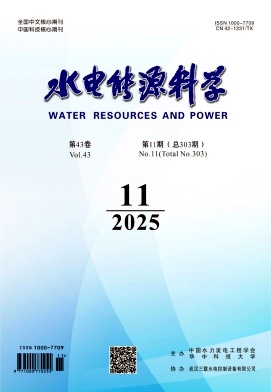
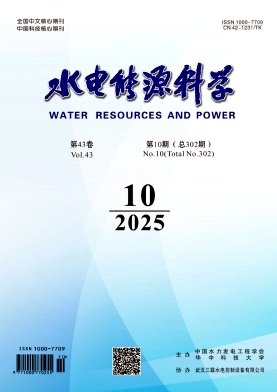
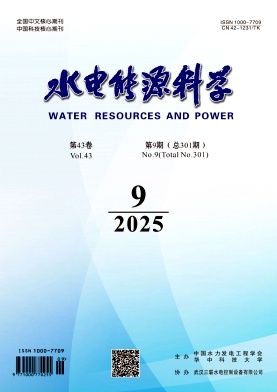
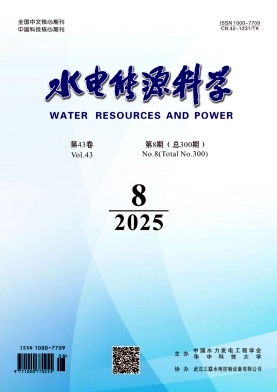
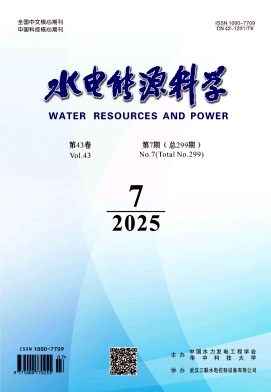
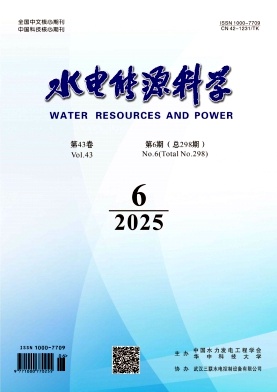
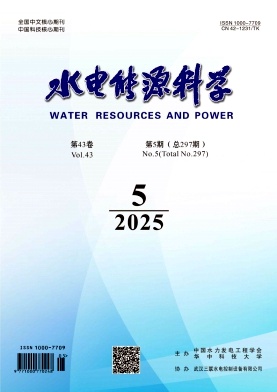
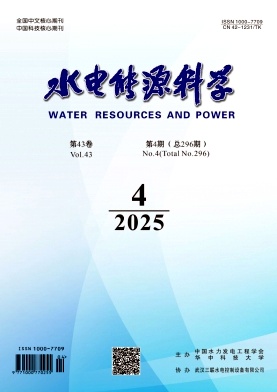
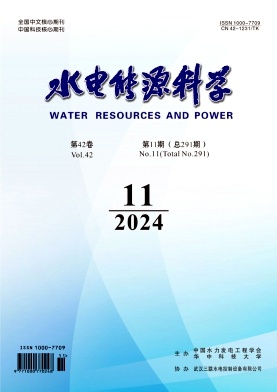
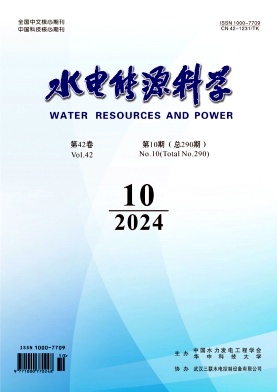
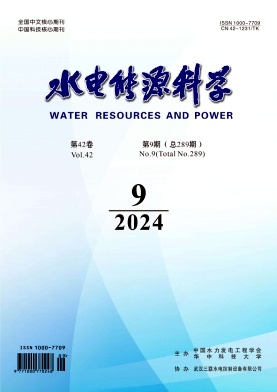
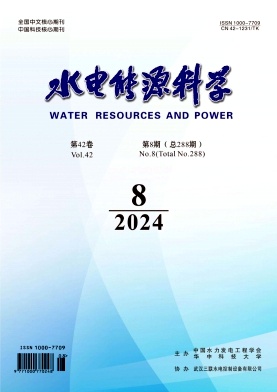
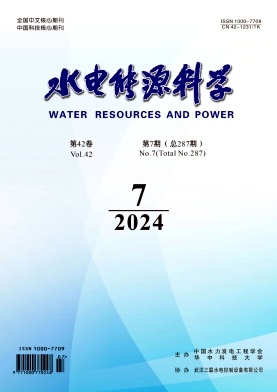
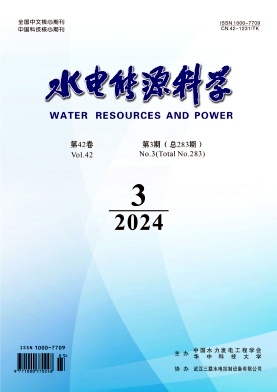
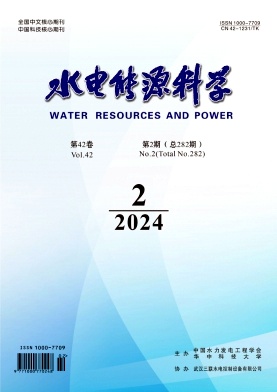
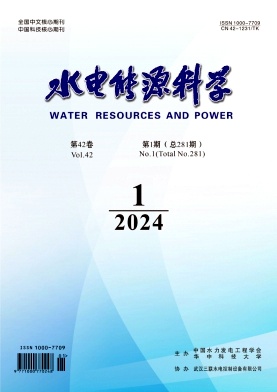
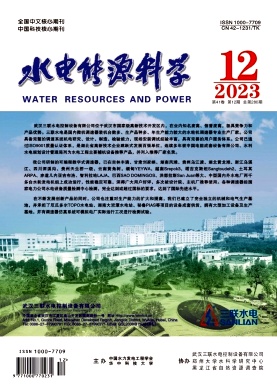
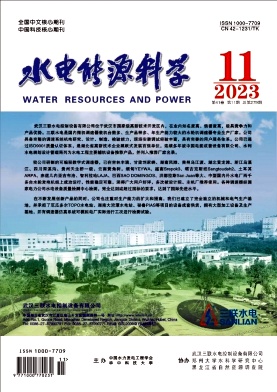
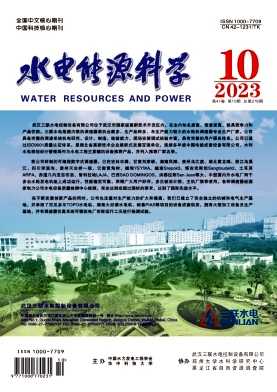
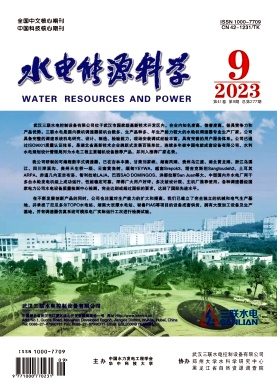
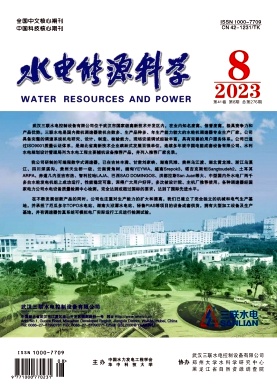
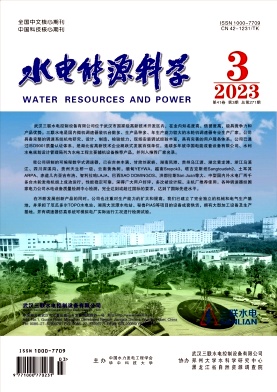
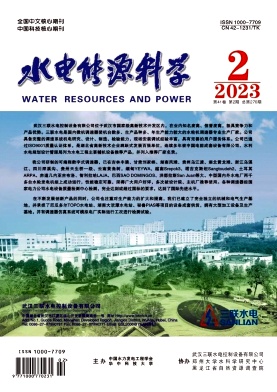
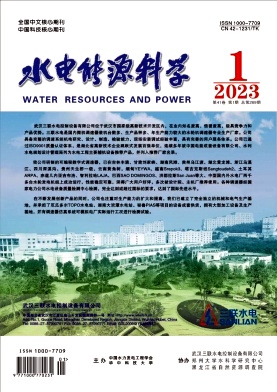
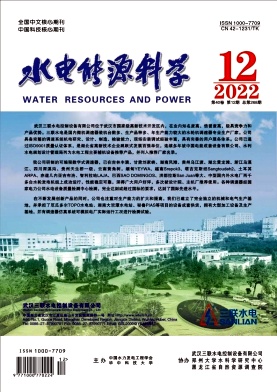
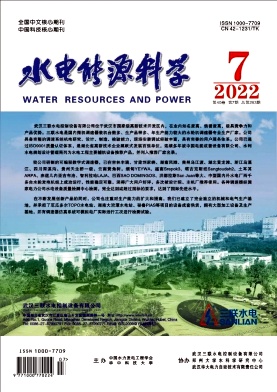
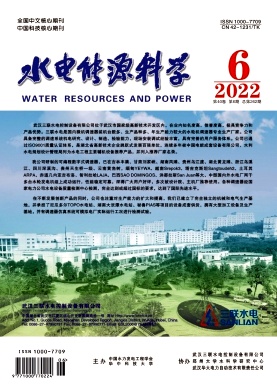
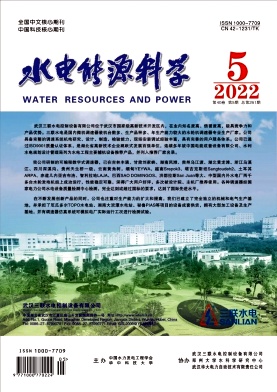
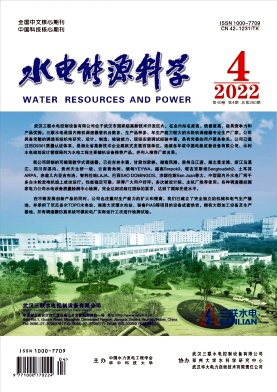
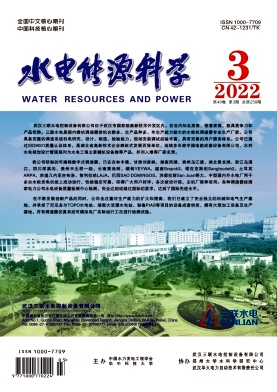
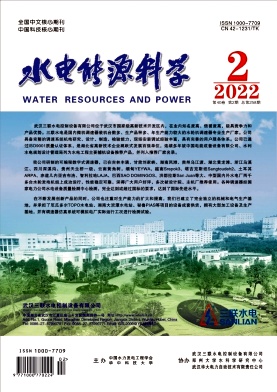
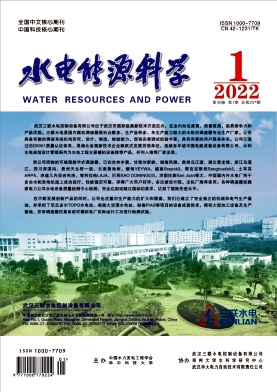
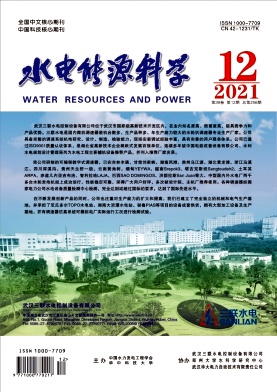
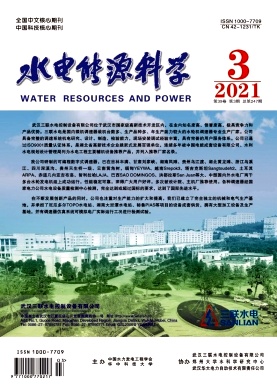
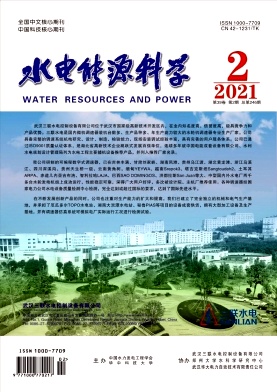
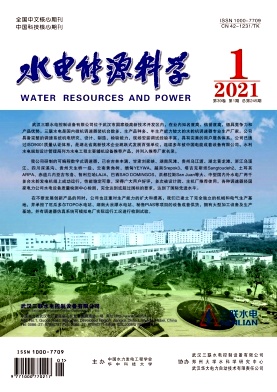
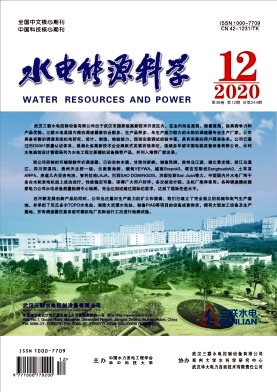
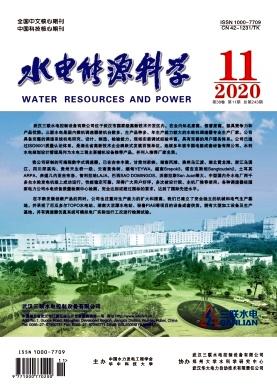
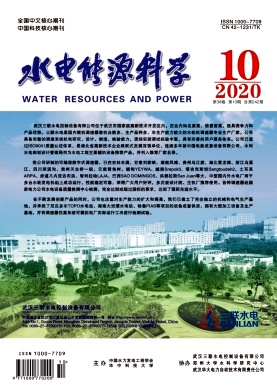
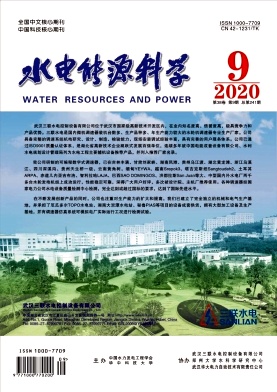
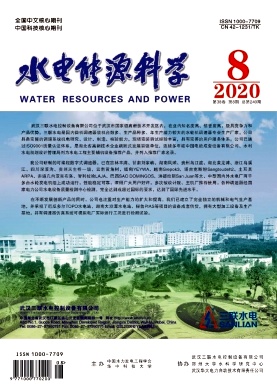
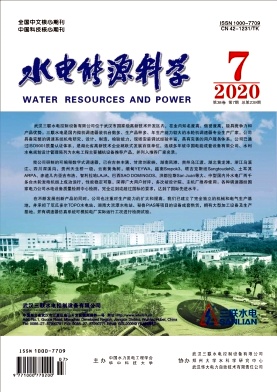
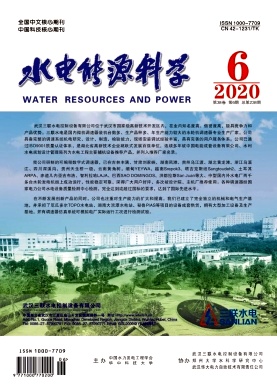
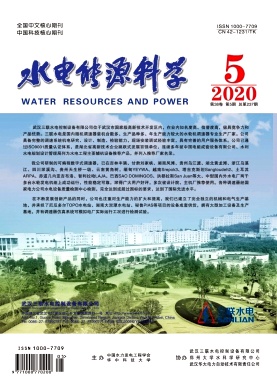
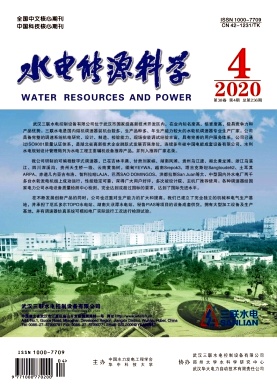
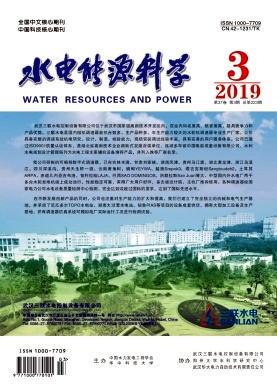
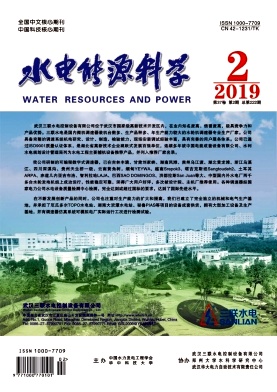
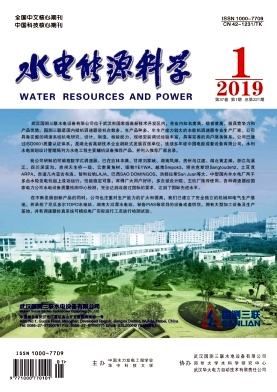
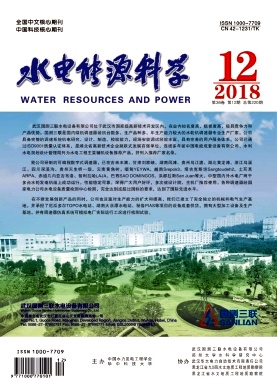
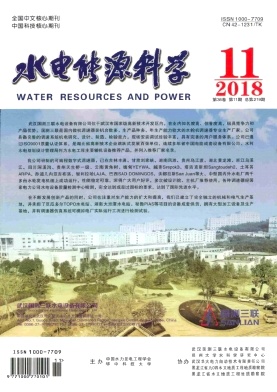
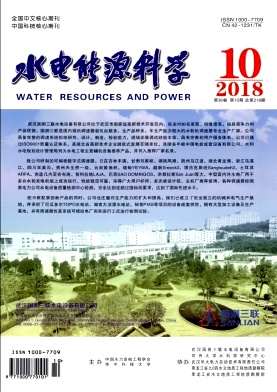
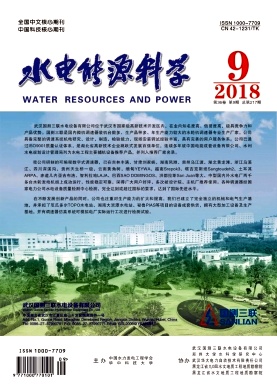
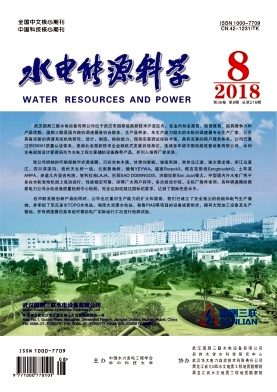
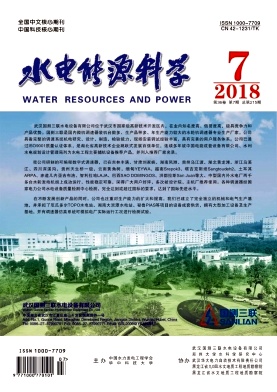
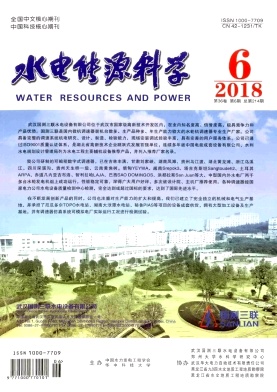
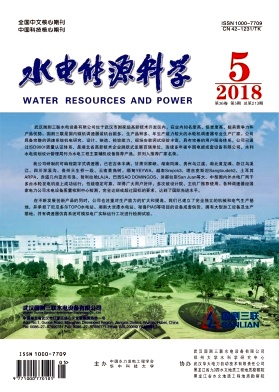
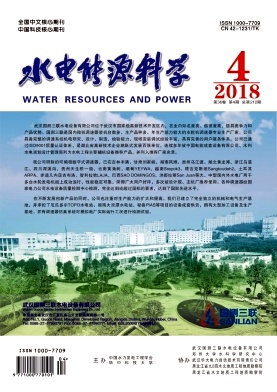
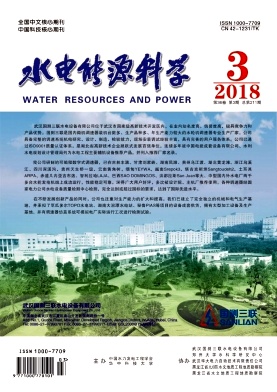
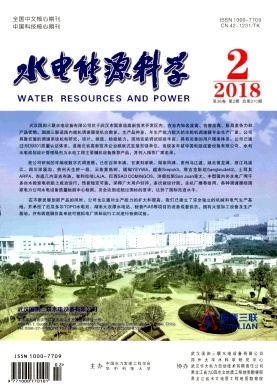
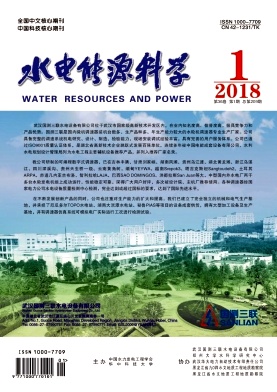
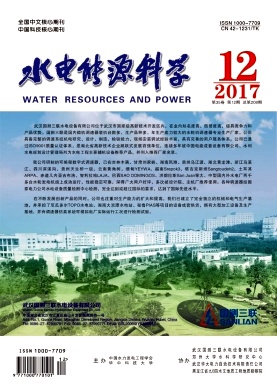
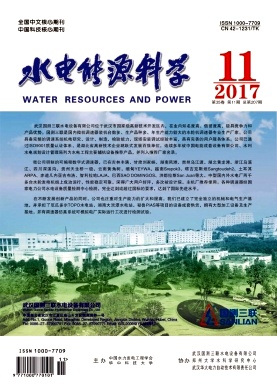
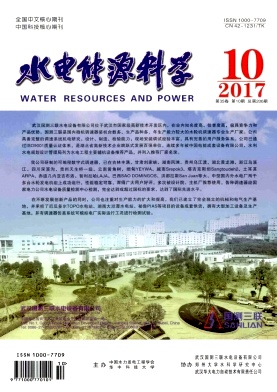
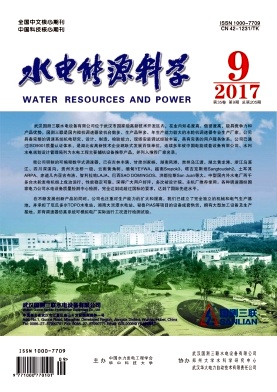
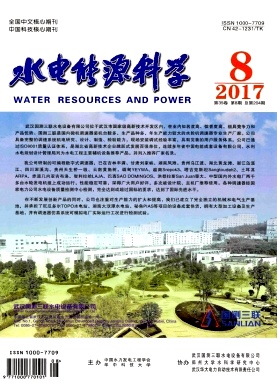
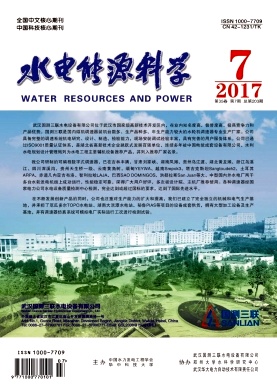
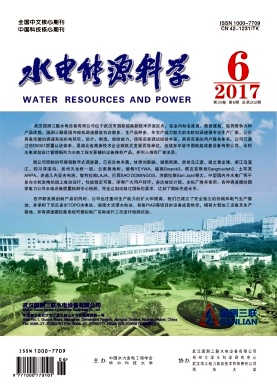
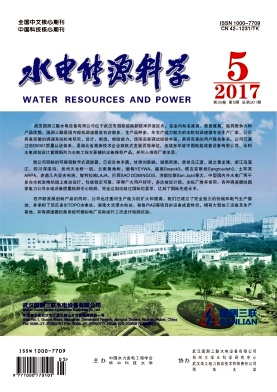
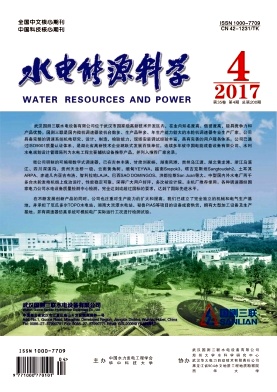
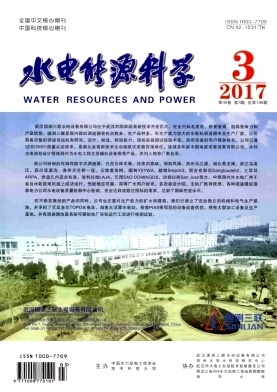
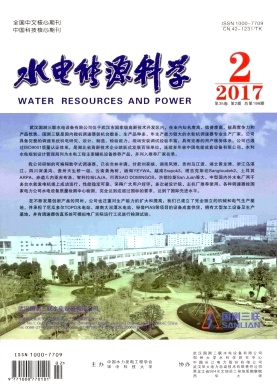
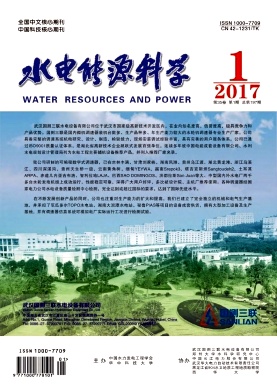
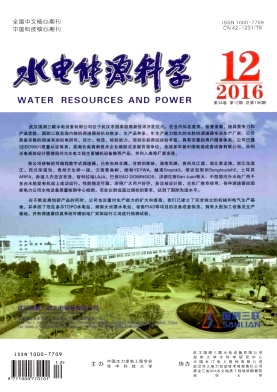
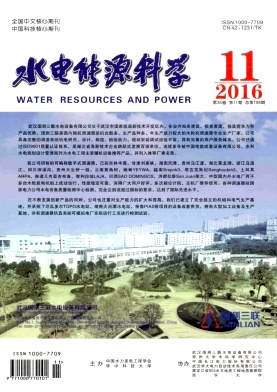
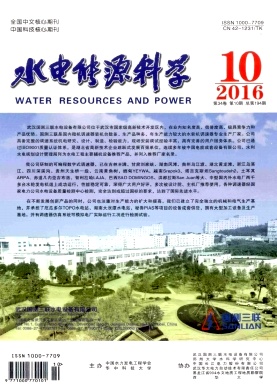
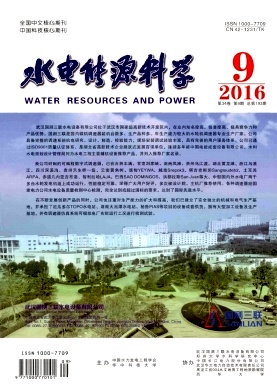
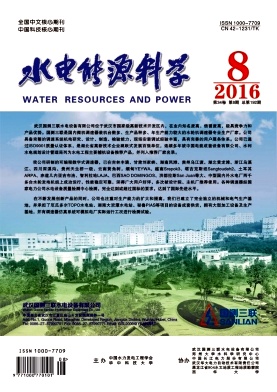
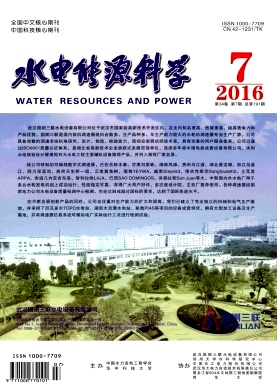
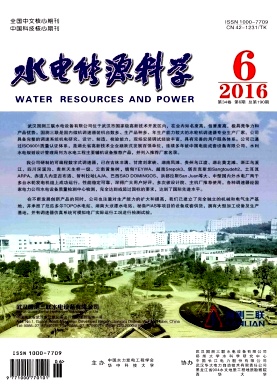
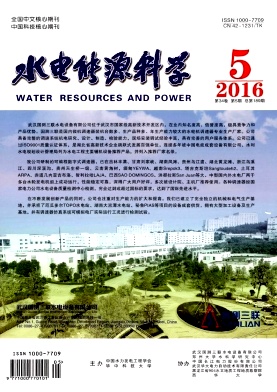
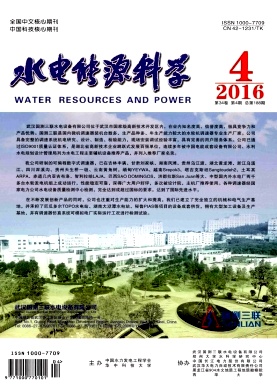
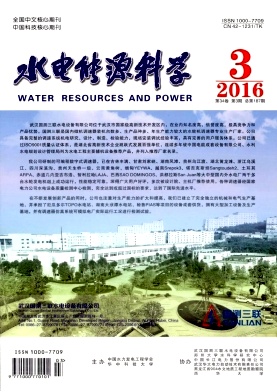
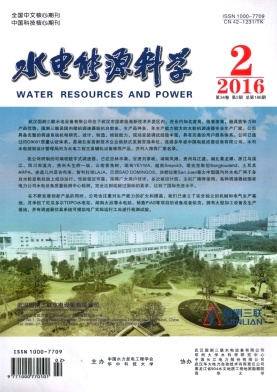
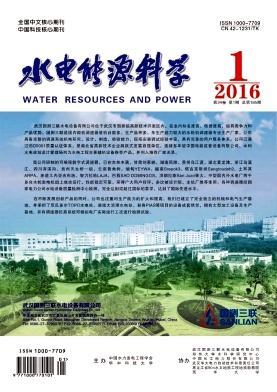
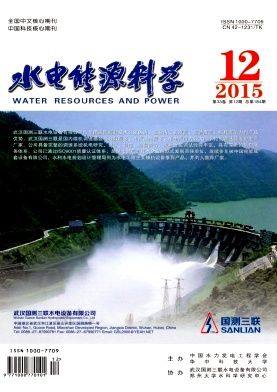
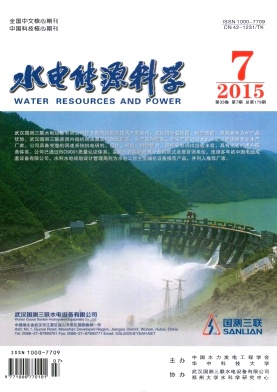
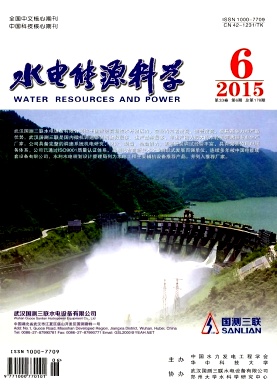
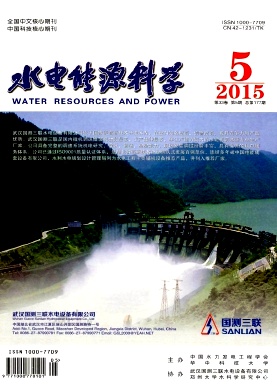
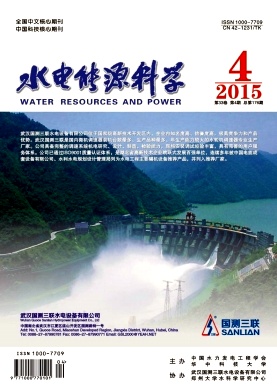
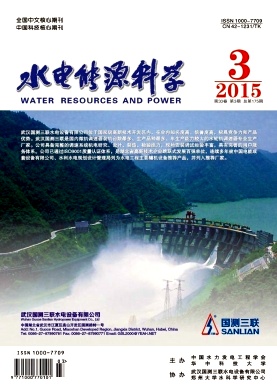
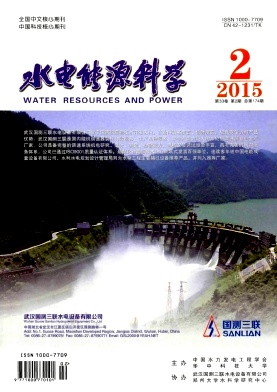
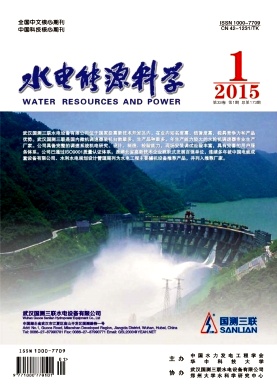
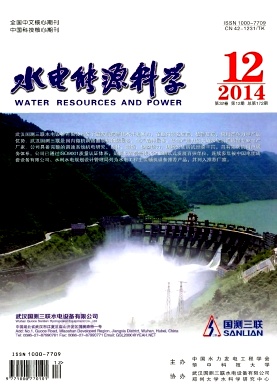
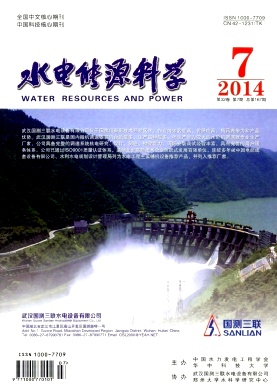
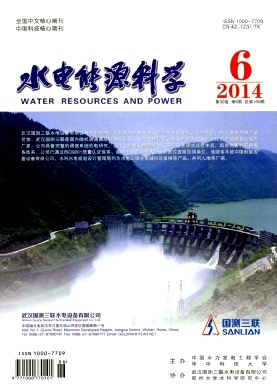
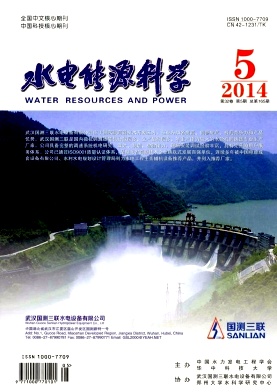
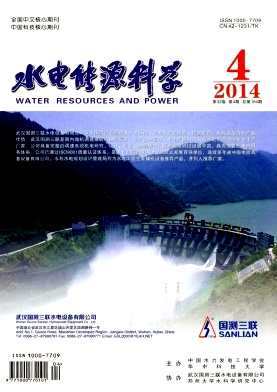
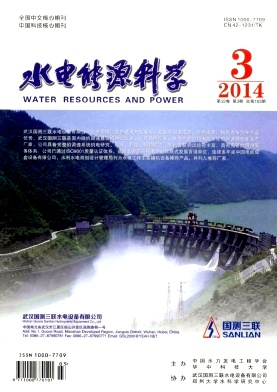
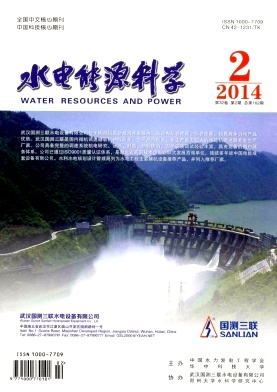
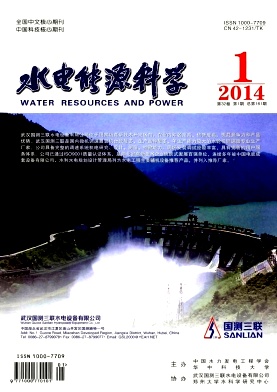
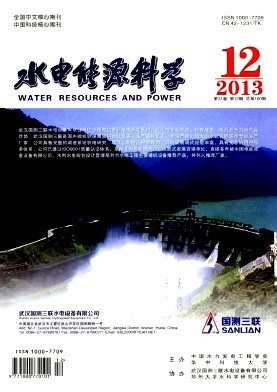
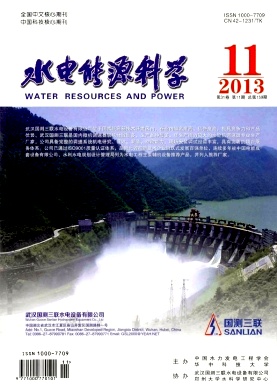
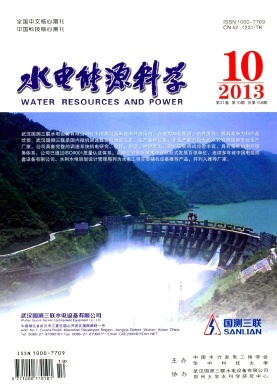
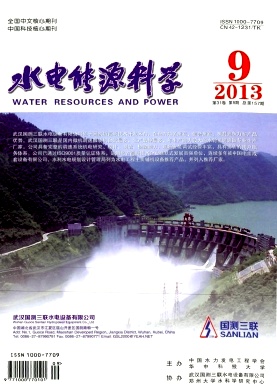
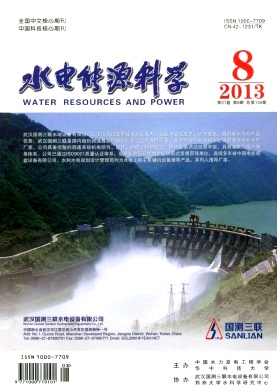
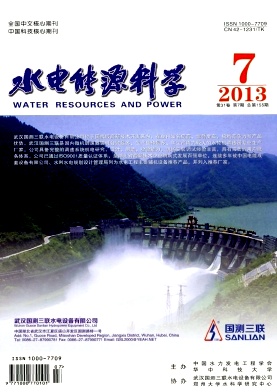
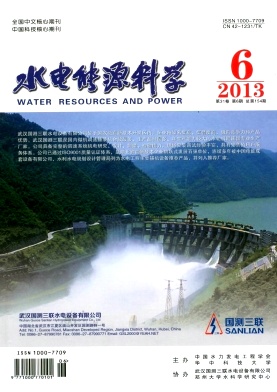
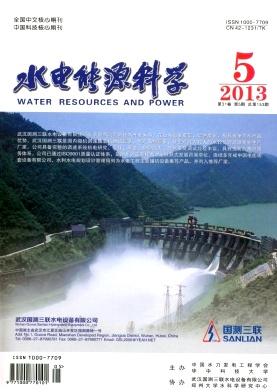
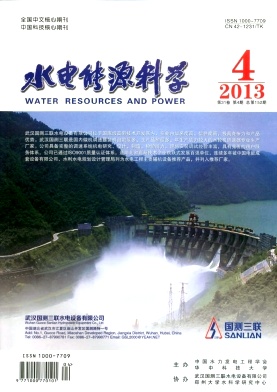
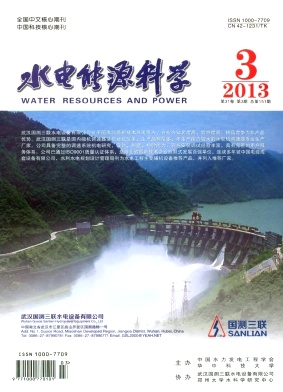
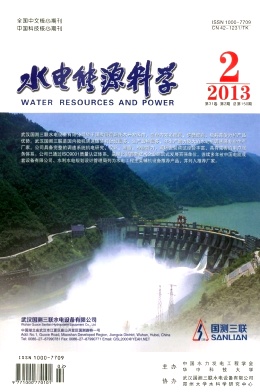
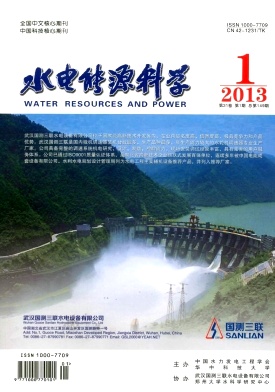
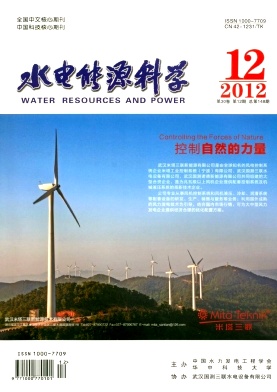
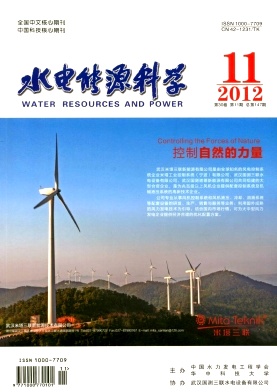
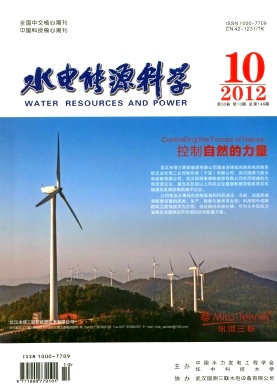
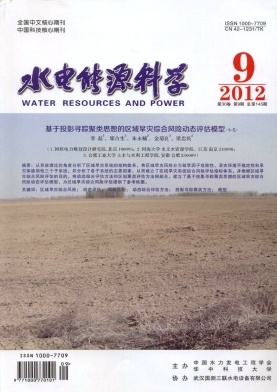
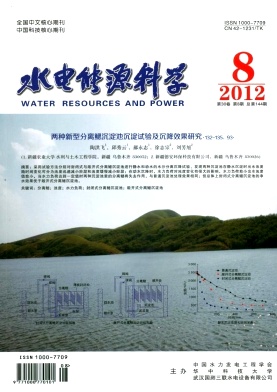
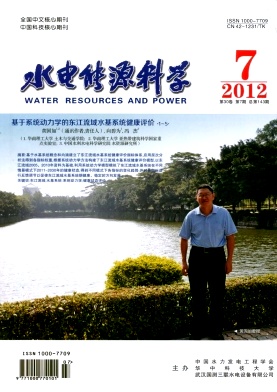
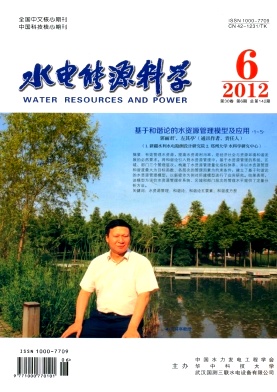
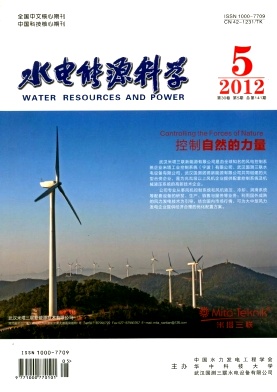
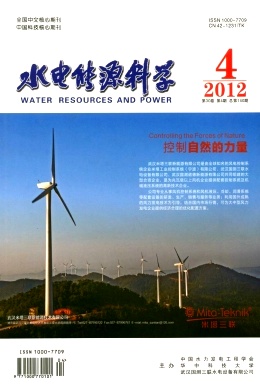
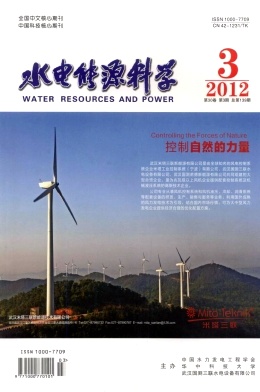
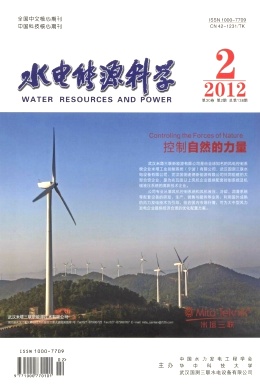
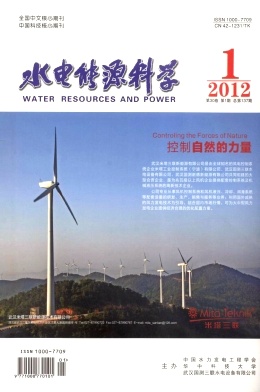
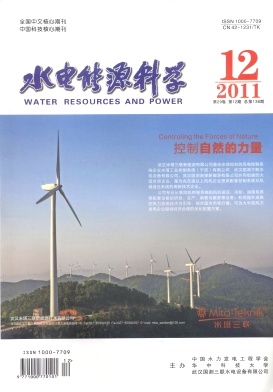
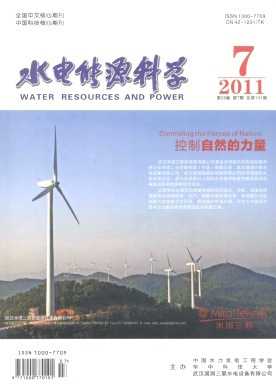
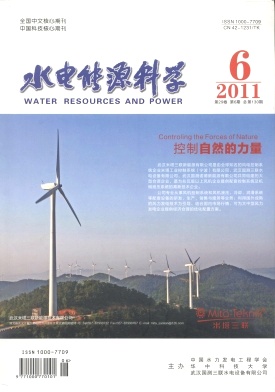
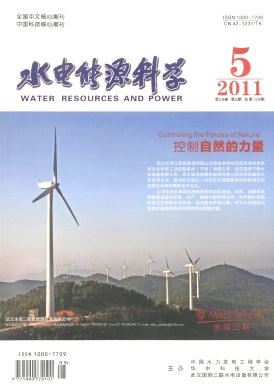
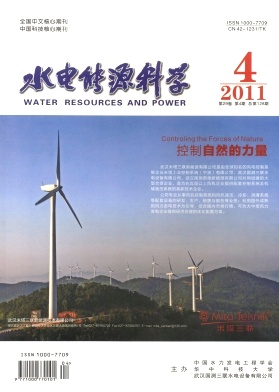
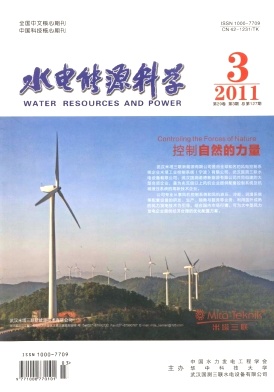
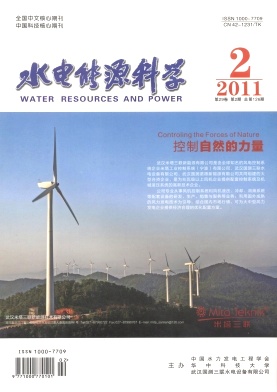
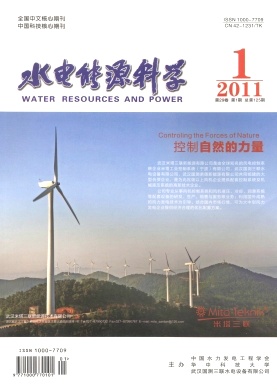
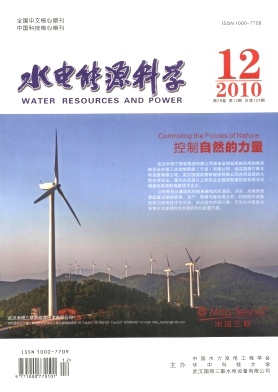
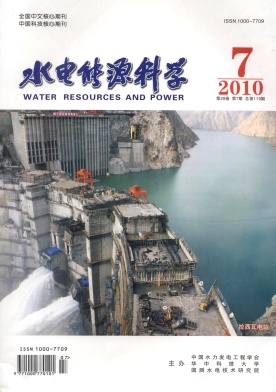
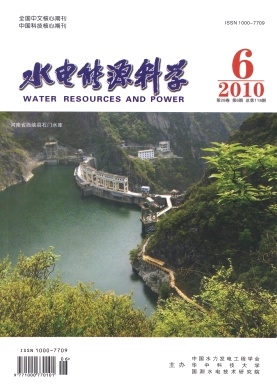

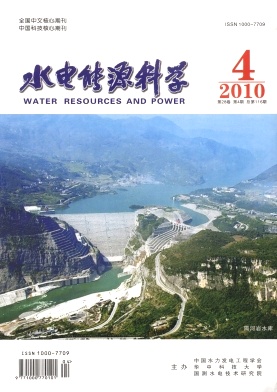









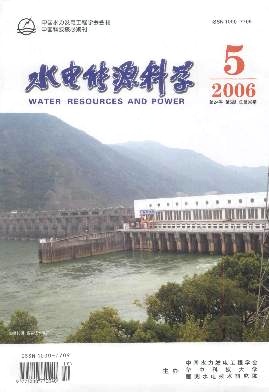
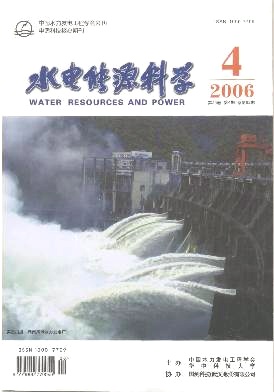
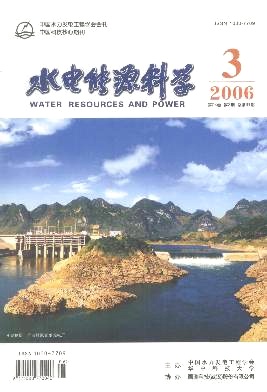
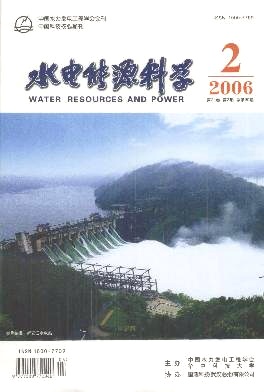



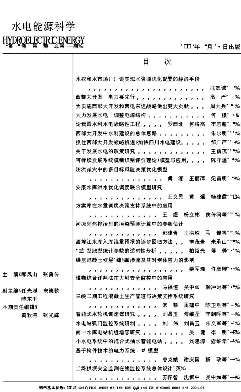
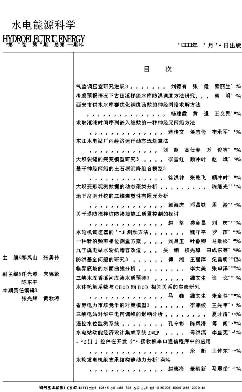


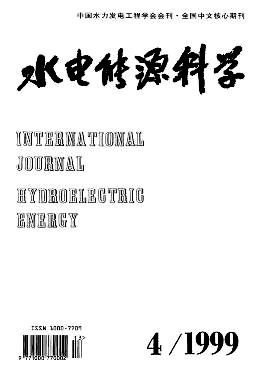

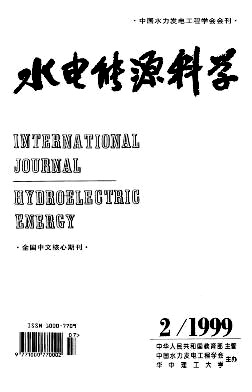


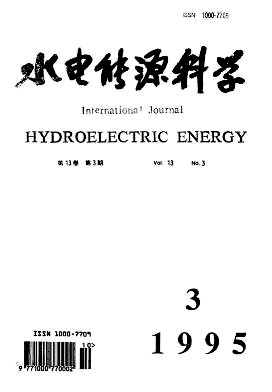
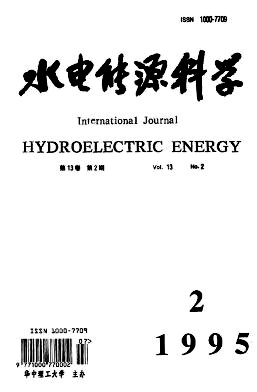
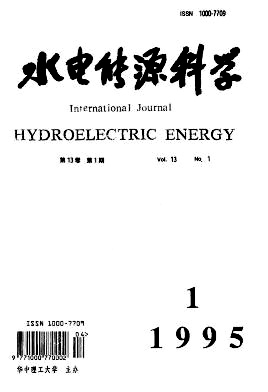
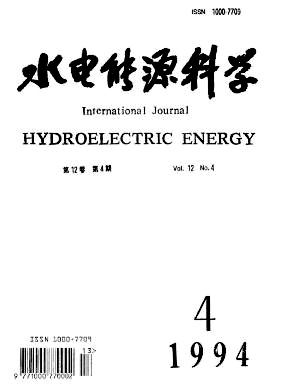
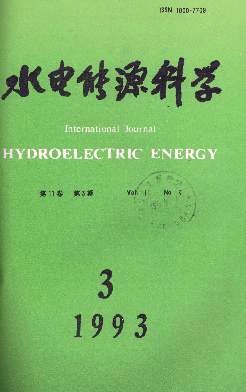
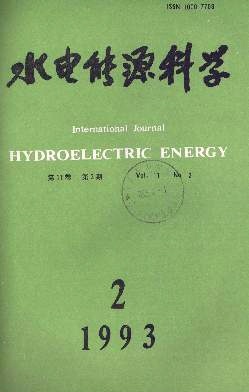
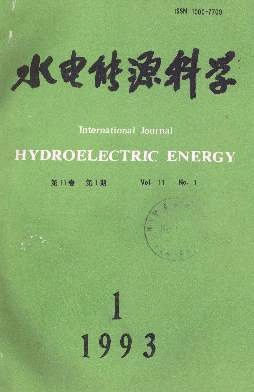
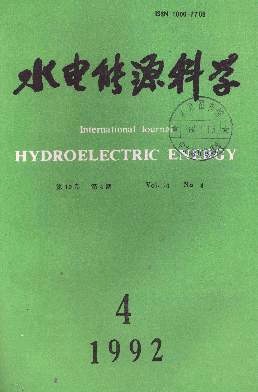
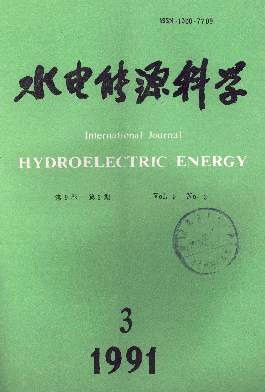
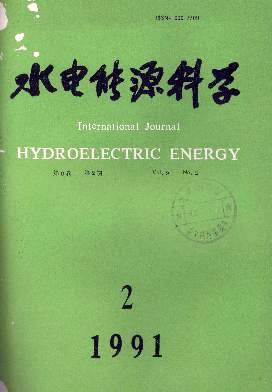
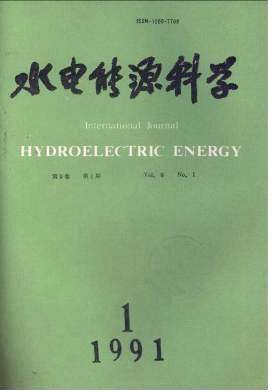
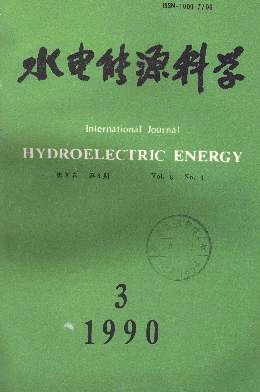
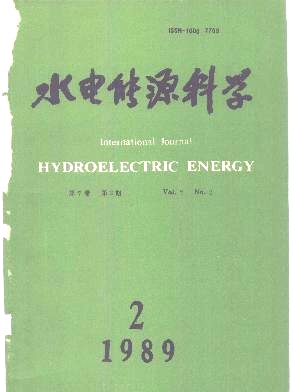
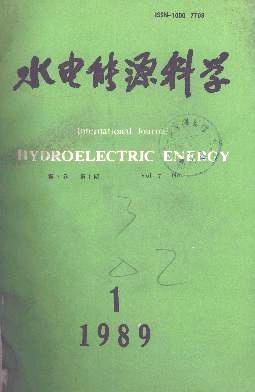
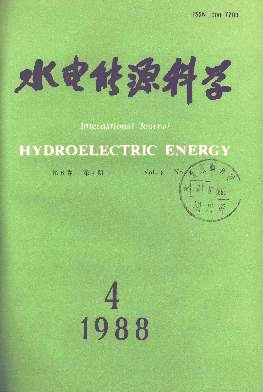
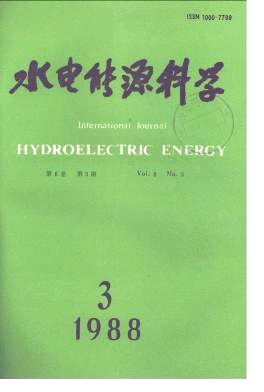
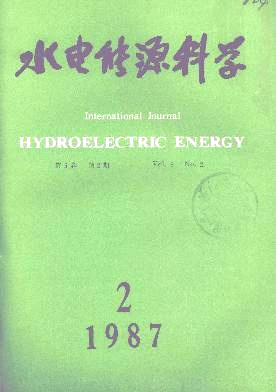
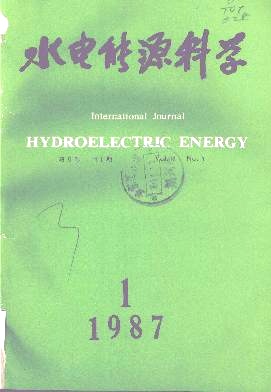
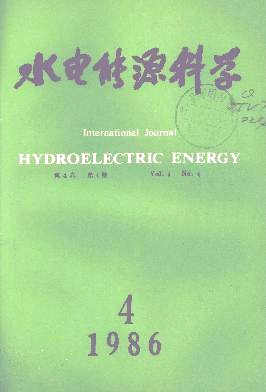
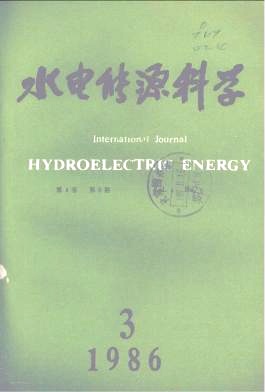
Overview
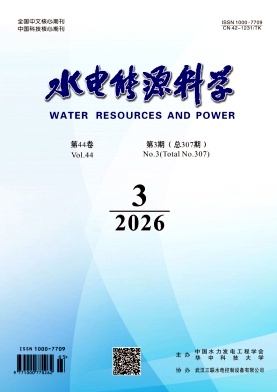
Water Resources and Power
Governing Body: Ministry of Education of China
Sponsors: China Society for Hydropower Engineering; Huazhong University of Science and Technology
Publication Frequency: Monthly
Tel: +86-27-87542126
Email: sdny@hust.edu.cn
CN: 42-1231/TK
ISSN: 1000-7709
Links
